

Dermaplaning
Licensed for use by Vital Glow
What Is Dermaplaning?
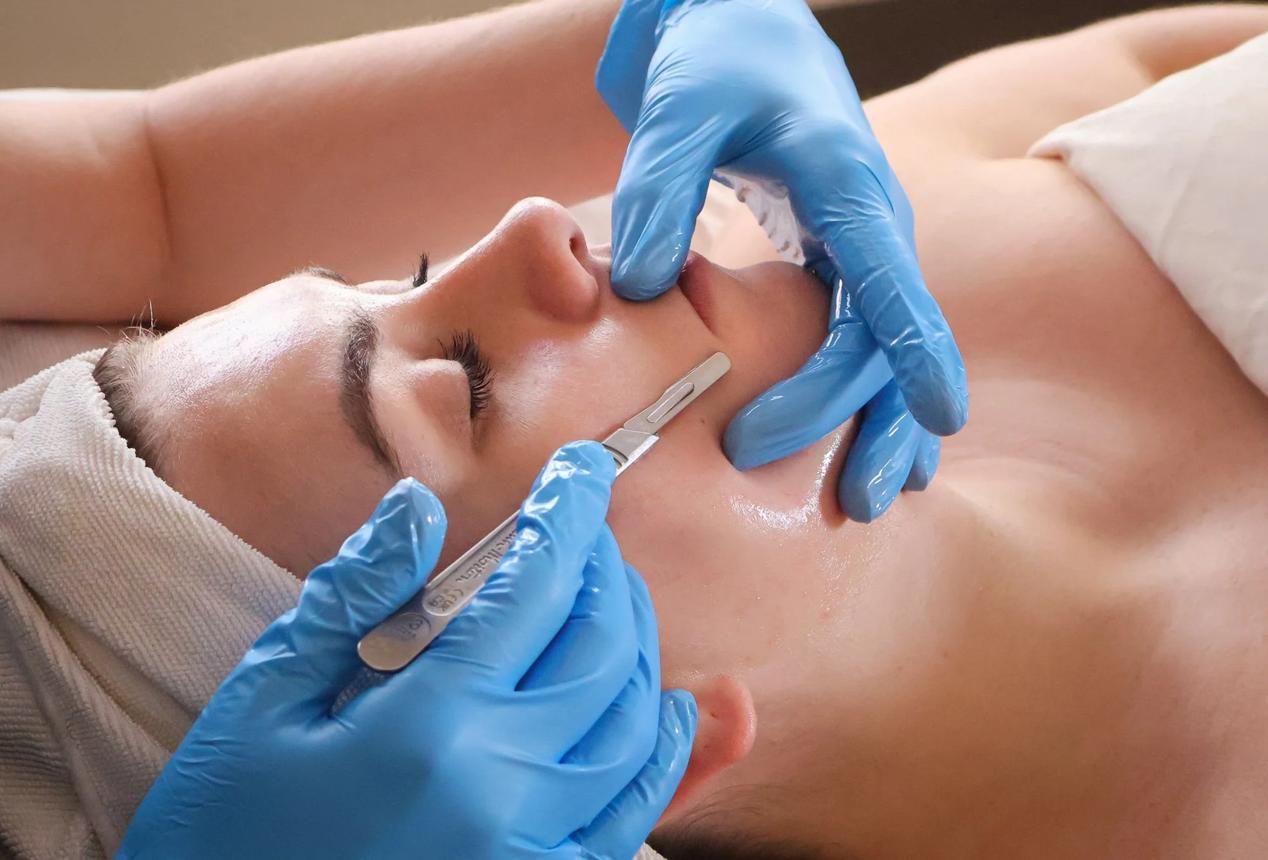
Dermaplaning is a manual exfoliation treatment in which uses a sterile, single-use surgical blade (typically held at about a 45-degree angle) to gently remove the outermost layer of dead skin cells and fine facial hair (called vellus hair , or "peach fuzz"). Dermaplaning aims to make your skin’s surface smooth, youthful, and radiant.
It is a non-invasive procedure that does not involve chemicals, needles, or lasers. The procedure can be performed monthly, with no down time post- treatment.
Dermaplaning is only performed on the face.
The treatment is popular because it can make skin appear smoother and brighter immediately, while also improving the application of makeup and skincare products.
The treatment benefits include :
- Immediate results.
- Good for sensitive skin types.
- Removes dead skin cells and peach fuzz.
- Deeper product penetration.
- Removes soft facial hairs that trap dirt and oil.
- Promotes glowing and smoother skin.
- No discomfort or pain.
- Can help reduce the appearance of acne scars.
- Diminishes the look for fine lines.
Skin Structure
Our skin is built up with 3 layers:
Epidermis - The epidermis, the outermost layer of skin, provides a waterproof barrier and creates our skin tone.
Dermis - The dermis, beneath the epidermis, contains tough connective tissue, hair follicles and sweat glands.
Hypodermis - The deeper subcutaneous tissue (hypodermis) is made of fat and connective tissue.
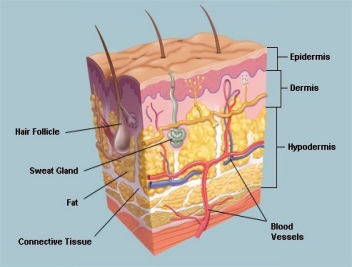
The dermaplaning treatment focuses on the top layer of skin, the epidermis by removing dead skin cells.
Contraindications
Dermaplaning is recommended for all skin types except those with active acne and men with heavy facial hair. If you have active acne there are other treatments available that would be more beneficial, as it is necessary to wait until breakouts are healed before trying this treatment. As always, also discuss any allergies or skin sensitivities before starting a treatment. This is a great treatment if you are pregnant or nursing and want exfoliation without the use of chemicals.
Although it is impossible to list every potential risk and complication, the following conditions are recognised as contraindications for dermaplaning procedure and must be disclosed prior to treatment.
- Active acne
- Active infection of any type, such as herpes simplex or flat warts
- Any raised lesions
- Any recent chemical peel procedure
- Chemotherapy or radiation
- Eczema or dermatitis
- Family history of hypertrophic scarring or keloid formation.
- Moles
- Oral blood thinner medications
- Rosacea
- Scleroderma
- Skin Cancer
- Sunburn
- Thick dark facial hair
- Uncontrolled diabetes
- Use of Accutane - within 12 months
- Vascular lesions
Treatment Procedure
- Before beginning, the practitioner evaluates your skin to determine whether dermaplaning is appropriate. They will ask about your skin type and concerns, medications (especially retinoids or acne medications), allergies and history of acne, cold sores, or skin conditions.
- Next a skin analysis is carried out to check for active acne, cuts or wounds, sunburn, rashes, skin infections or excessive sensitivity. If the client has active inflammation or open lesions, the treatment may be postponed.
- Double cleanse using a gentle cleanser. The cleanser will be massaged into the face using circular motions to remove the remaining makeup and dirt. This process is repeated in order to perform a double cleanse which ensures that the face is dirt and oil free.
- Next you will use a surgical blade at a 45 degree angle to remove peach fuzz and dead skin cells hence performing deep exfoliation of your skin. During this stage, a client will feel a light scraping on their skin. The Dermaplaning procedure is completely pain free and relaxing. You will work your way around areas of the face, working on one area at a time, covering the whole face to just below the jawline, which is where you will have the most peach fuzz. Common treatment areas include the forehead, cheeks, chin, jawline and upper lip. Areas around the eyes, nostrils, lips, and any moles or inflamed spots are avoided.
- Once the Dermaplaning procedure is completed and you are happy with the removal of dead skin, build-up of dirt, and peach fuzz removed, a toner can be applied to all areas of the face to remove any loose skin cells and hair that has been left over from the procedure. Always double check that the toner you are using is alcohol free, as this is gentler on the skin. We recommend that you use a toner that contains lavender floral water, which is an excellent tonic for the skin. Its anti-bacterial properties help to naturally cleanse deep down in the skin pores, while its soothing properties calm irritated skin. Lavender is excellent for oily skin as it has astringent properties, helping to remove excess oil from the skin.
- Following the toner, apply a rich moisturiser to the skin using circular movements to ensure that a moisturiser is penetrated into all areas of the face. This is highly effective directly after the Dermaplaning procedure and as a result of the removal of dead skin, that usually prevents penetration. SPF 50+ should also be applied to protect the skin after the treatment.
Post Treatment Care
Following the treatment, you’ll immediately look more radiant with a more even skin tone and texture. While the main objective of this treatment is exfoliation, the immediate removal of peach fuzz is an added benefit which renders the skin exceptionally smooth and soft.
Skin care products are better able to penetrate the skin following a dermaplaning procedure which allows them to work more efficiently. Your cosmetics will also go smoother.
After the treatment, your skin will be highly sensitive to sun exposure and may look pink, so be sure to wear a broad-spectrum sunscreen with SPF 30+ or higher to reduce the risk of hyperpigmentation.
It is important for clients to follow the following steps:
- Apply sunscreen daily (SPF 30 or higher) and avoid sun exposure
- Keep the skin hydrated with gentle products
- Avoid active ingredients for 5 days post treatment (Retinol, AHA/BHA, etc)
- Avoid sun exposure
- Avoid hot showers, saunas or steam rooms for 24-48 hours
- Change pillow cases and towels to minimise bacteria in the treatment area
- Avoid make-up for 24 hours
Most people experience only mild, temporary effects such as:
- Slight redness
- Mild tenderness
- Temporary dryness
- Increased sensitivity to sunlight
Rarely, there may be:
- Small nicks
- Minor irritation
- Breakouts
FAQ’S
How is Dermaplaning different from a peel?
Dermaplaning is a manual exfoliation process that does not use acids or enzymes to remove dead skin cells. All of the exfoliation is achieved during your treatment and you will not peel or visibly shed skin after your service, while peels can result in dramatic peeling in the days following a service. Dermaplaning provides a good alternative to peels for those who desire professional grade exfoliation without the potential social downtime.
What should I expect during my procedure?
Dermaplaning is a painless treatment that includes deep cleansing, professional exfoliation in the form of dermaplaning followed by restorative treatment and finished with skin care suited to your unique skin. Dermaplaning has a sensation similar to a shave which removes vellus hair and dead skin cells simultaneously.
How long is the treatment?
30 - 45 minutes.
What should I expect after my procedure?
You’ll immediately look more radiant with a more even skin tone and texture. While the main objective of this treatment is exfoliation, the immediate removal of peach fuzz is an added benefit which renders the skin exceptionally smooth and soft. Skin care products are better able to penetrate the skin following a dermaplaning service which allows them to work more efficiently. Your cosmetics will also go smoother. After the treatment, your skin will be highly sensitive to sun exposure and may look pink, so be sure to wear a broad-spectrum sunscreen with SPF 30+ or higher to reduce the risk of hyperpigmentation.
How should I care for my skin after Dermaplaning service?
After a Dermaplaning treatment your skin needs time to heal and restore. Treat the skin gently, using only hands to cleanse for at least 2 days and wearing sunscreen every day.
Will my hair grow back thicker and darker?
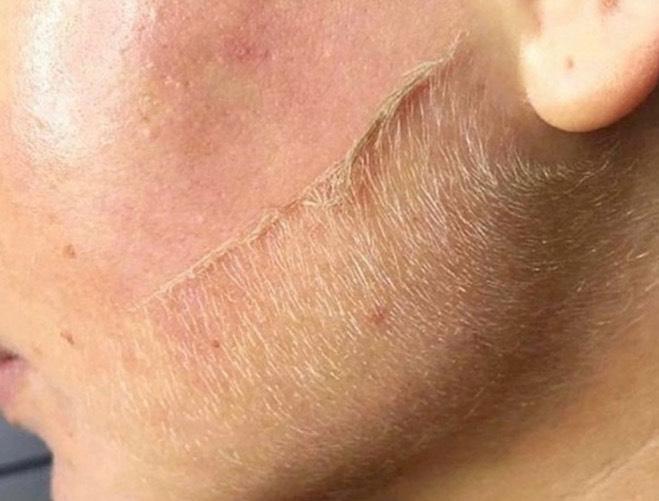
No, Dermaplaning will not alter your natural hair growth. As we remove the vellus hair we are cutting it at the thickest part of the hair follicle so it may appear thicker or darker for a brief period of time. However, this perceived difference is cosmetic, and most clients do not notice.
What is the recommended course?
Dermaplaning removes 21 days’ worth of dead skin cells, so it’s best to allow the skin to complete its rejuvenation cycle before your next treatment.
Consent form
- Always make sure your patient signs a consent form
- Name the procedure
- Explain the procedure
- Discuss expectations
- Explain contraindications
- Explain possible side effects
- Explain downtime and recovery time
- Sign & date, file
Infection Control and Sharps Handling
Every dermaplaning treatment should follow standard infection-control and sharps-handling procedures to reduce risk of bloodborne pathogen exposure and skin infection.
Before Treatment
- Wash hands thoroughly and wear new disposable gloves.
- Use only sterile, single-use blades.
- Check packaging integrity and expiration dates.
- Clean and disinfect the treatment surface.
- Prep the client’s skin with an appropriate antiseptic
During Treatment
- Treat all needles as contaminated once opened/used.
- Never touch the blade directly.
- Do not recap, bend, or manipulate used blades.
- Avoid cross-contamination
- Do not re-dip contaminated instruments into product containers.
- Use disposable applicators where possible.
- If interrupted, safely set the blade on a clean kidney dish.
Sharps Disposal
Immediately after use:
- Remove the cartridge/needle carefully.
- Place directly into an approved puncture-resistant sharps container .
- Do not:
Throw blades into regular waste bins
Overfill sharps containers
Attempt to reuse single-use cartridges
Sharps containers should:
- Be closable, leak-resistant, and labeled
- Remain upright
- Be replaced before reaching the fill line (usually ~¾ full)
Exposure Incident Protocol
If accidental needlestick or blood exposure occurs:
- Wash the area immediately with soap and water.
- Flush mucous membranes with water if exposed.
- Report/document the incident.
- Seek occupational health or medical evaluation promptly for bloodborne pathogen assessment.
After Treatment
- Remove gloves safely and wash hands.
- Disinfect reusable device surfaces according to manufacturer instructions.
- Dispose of all contaminated gauze/barriers as clinical waste if required by local regulation.
- Document:
- Lot numbers (if applicable)
- Device used
- Treatment depth/settings
- Any adverse events
Legislations and Regulations Relating to Dermaplaning
Health and Safety at Work Act 1974
Requires employers and self employed practitioners to:
- Protect clients and staff
- Maintain a safe working environment
- Provide safe equipment
- Reduce risk of injury and infection
Control of Substances Hazardous to Health (COSHH Regulations) 2002
Relates to:
- Disinfectants
- Cleaning chemicals
- Blood/bodily fluid exposure
- Clinical waste handling
Requires:
- COSHH Assessments
- Safe storage
- Staff training
- PPE
Reporting of Injuries, Diseases and Dangerous Occurrences Regulations (RIDDOR)
Relates to the reporting of:
- Serious sharps injuries
- Occupational exposure incidents
- Major accidents
Local Government (Miscellaneous Provisions) Act 1982
Some local authorities regulate:
- Skin piercing
- Cosmetic procedures
- Microneedling premises
Requirements may include:
- Practitioner registration
- Premises inspection
- Hygiene standards
Rules vary by local council.
Book your consultation
Clinic Appointments
Solihull, West Midlands.
Private Mobile Treatments
Available across the Midlands for home, office, or hotel visits.
Coming Soon
Wider UK coverage as Vital Glow expands.