

Hydrofacial
Licensed for use by Vital Glow
Indications For Treatment
Dehydrated Skin
Signs:
- dull appearance/loss of radiance
- tightness
- rough texture
- flaky skin
Hydrofacial treatment infuses hydrating serums, often containing, hyaluronic acid, peptides and antioxidants. Hyaluronic acid helps attract and retain water in the skin.
Dull or Tired-Looking Skin
Used to improve:
- glow
- brightness
- smoother appearance
The exfoliation and hydration steps can temporarily improve skin radiance.
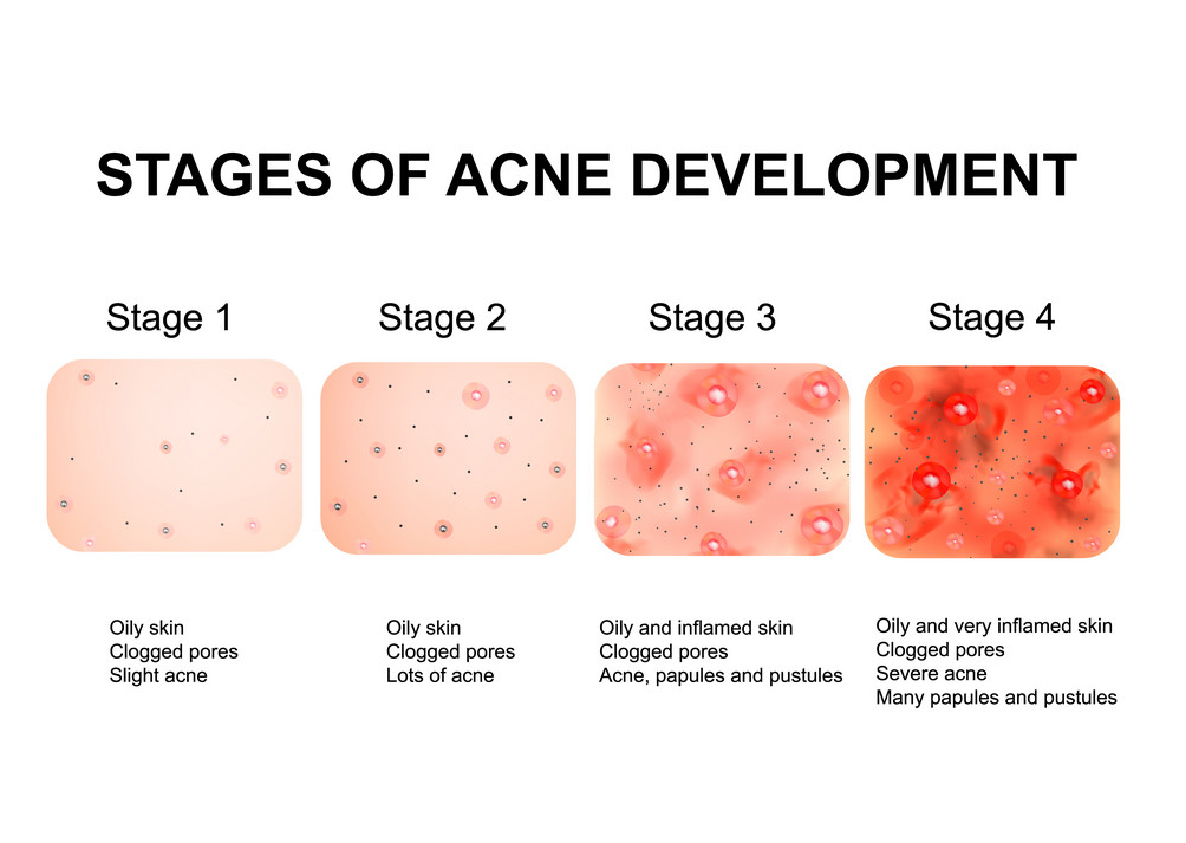
Mild Acne and Congested Pores
- blackheads
- clogged pores
- oily congestion
- mild acne-prone skin
The suction/extraction step helps to remove sebum, debris and dead skin cells.
Oily Skin / Enlarged Pores
- excess oil production
- shiny skin
- enlarged pores on the nose, cheeks and forehead
The exfoliation and extraction process may temporarily reduce surface oil buildup. By clearing debris and oil, pores may appear temporarily smaller.
Maintenance Skin Care
Many clients use hydrofacials as a routine skin maintenance, for “event prep” or as a monthly skin-refresh treatment.
Hydrofacial Features
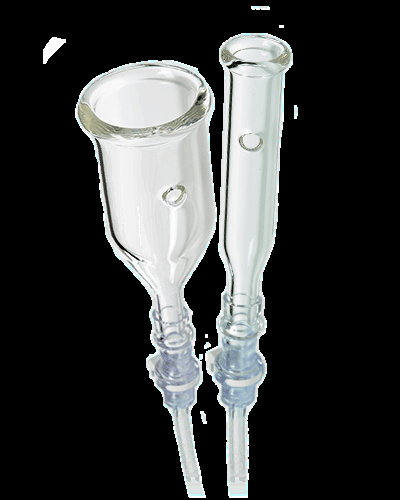
A Hydrofacial is a non-invasive facial treatment designed to combine cleansing, exfoliation, extraction, hydration, and serum infusion in one procedure. Its main feature is the use of a water-based vortex suction system that simultaneously exfoliates and delivers active skincare solutions.
Hydrofacial combines several skincare steps into one session. Including :
- Cleansing
- Exfoliation
- Mild chemical peel
- Extraction
- Hydration
- Serum infusion
This “all-in-one” approach is one of its defining features.
The device creates a spiral or vortex-like fluid movement that can loosen debris, remove oil, extract impurities whilst simultaneously infusing with serum. This differs from traditional manual facials.
Hydrofacial is also popular due to it being a non-invasive procedure. This contributes to a lower downtime compared with more aggressive procedures. Most patients experience mild temporary redness, little to no peeling and rapid return to normal activities. This makes it popular as a “lunchtime facial” or event-prep treatment.
The treatment is suitable for multiple skin types including dry, oily, combination and mildly sensitive skin. However, settings and serums should still be adjusted individually.
The hydrofacial can also be used in combination with other treatments.
Contraindications
Contraindications restricting the treatment include :
- Red or raised bumps
- Unidentifiable concerns
- Bruising
- Cuts/ abrasions

Contraindications preventing the treatment include :
- Pregnancy
- Breastfeeding
- Roaccutane
- Allergies to the ingredients in the products
- Any viral, bacterial or fungal skin infections
- Lupus
- Scleroderma

Consultation
- Ensure a thorough consultation is carried out with your client
- Explain full procedure and the benefits to the skin
- Check medical history, medication and allergies
- Ensure client has no contra indications
- Complete skin analysis
- Take photos and update on each visit
- Complete consultation and treatments consent forms
Step-By-Step Treatment Plan
To prepare for the treatment, complete a thorough skin analysis to determine the clients skin type and carry out a double cleanse.
Step 1 - Lymphatic Drainage
- Use a facial oil for glide (remember to remove)
- Begin by opening up the thoracic nodes
- Perform for 5-10 minutes
- Use a pumping motion to drain from the lymphatic nodes
- Glide slowly from node to node not losing contact
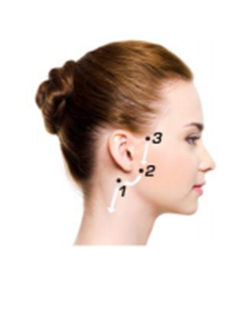
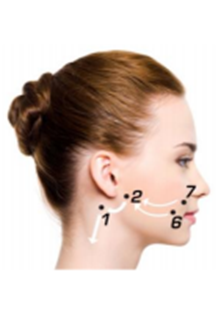
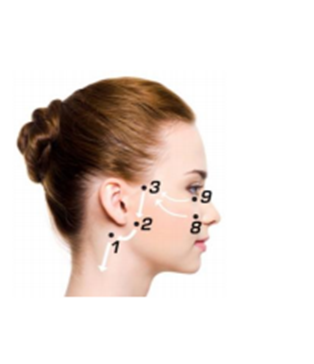
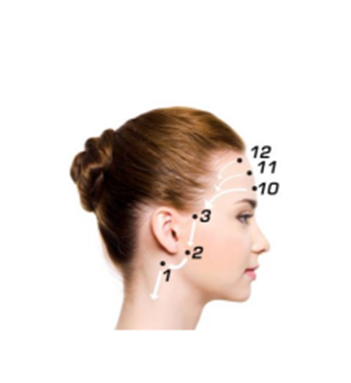
Nodes 1, 2 and 3
- These nodes are located around the ears
- Double pump from node 1 and glide down the side of neck
- Double pump from node 2 to node 1 then down the side of neck
- Double pump from node 3 to node 2, to node 1 then down the side of neck
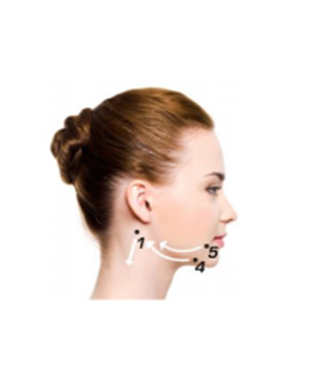
Nodes 4 and 5
- Double pump from node 4 glide to node 1 then down the side of neck
- Double pump from node 5 glide to node 1 then down the side of neck
Nodes 6 and 7
- Double pump from node 6 glide to node 2, glide to node 1 then glide down the side of neck
- Double pump from 7, glide to 2 then to 1 then glide down the side of neck
Nodes 8 and 9
- Double pump from node 8, move to node 3, glide to 2, glide to 1 then glide down the side of neck
- Double pump from node 9
Nodes 10, 11 and 12
- Double pump from node 10, move to node 3, move to node 2, move to node 1 then glide down
- Move to node 11 and repeat
- Move to node 12 and repeat
Step 2 - Deep Cleanse & Exfoliation
This stage is designed to remove makeup, sunscreen, sebum, sweat, dirt, environmental debris and superficial dead skin buildup.
- Turn on solution 1
- For oily skin you can turn on both solution 1 and solution 2
- Vacuum level 14-18
- Carry out 2 passes over full face using long fast overlapping strokes (80% overlap)
Step 3 - Chemical Peel
The chemical peel step is a mild exfoliation stage that helps loosen dead skin cells and clear pores before extraction and hydration. Unlike traditional standalone chemical peels, the peel used in hydrofacial is gentler, lower strength, superficial and designed to produce minimal downtime.
A glycolic acid peel of approximately 7.5% - 15% can be used for routine superficial exfoliation (starting with 7.5% on the client’s first treatment).
Step 4 - Extract
The extraction step is used to unclog pores and help lift away oil and dirt. This step is only necessary on the t-zone and congested areas.
- Use solution 2
- Slow movements
- Vacuum level 20-30
Step 5 - Infuse & Protect
The skin is infused with hydrating and protective serums designed to replenish moisture, calm the skin, support the skin barrier and provide antioxidant protection.
- Use solution 3
- Vacuum level 14-18
- Feather and dab
- Contains antioxidants, peptides and hyaluronic acid
- Do not massage into skin
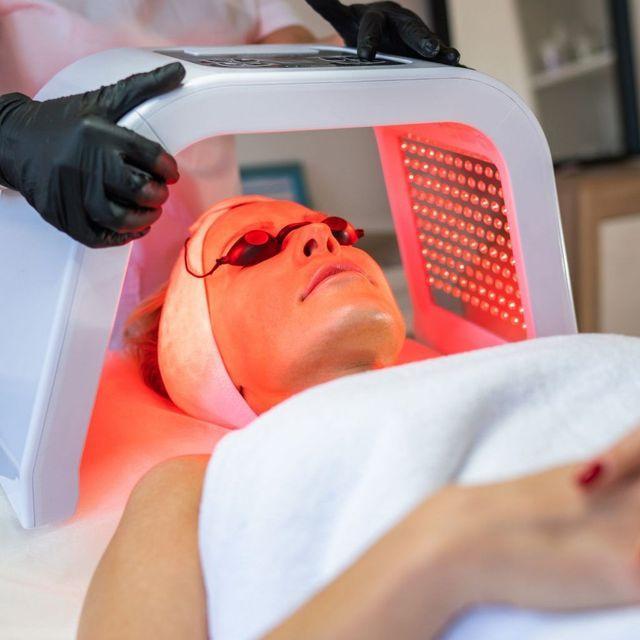
Step 6 - Rejuvenate / LED Light Therapy
Apply goggles to protect the eyes before switching the LED Light on. Different LED devices
Red and near infrared LED helps to calm the skin, reduces inflammation, anti aging, stimulates collagen production
Blue LED light is used to improve acne, reduce sebum, and kill acne causing bacteria.
End of Procedure
- Apply moisturiser and SPF
- Explain aftercare to client
- Recommend products
- Show client gunk jar
- Advise client on when to rebook
What To Expect After A Hydrofacial
Immediately after
Radiant hydrated skin with a healthy glow
24 hours
Smoother, calmer skin as circulation has been boosted
1 - 4 weeks
Gradual fading of glow without maintenance
Maintanance
Treatments can be repeated every 28 days to maintain results.
Post Treatment Care
- To ensure the proper healing environment, do NOT use any Alpha Hydroxy Acids, Beta Hydroxy Acid, Retinol (Vitamin A), Vitamin C (in a low pH formula) or anything perceived as “active” skincare for one week post treatment.
- Do not use any powered cleansing brushes for one week post treatment.
- Avoid intentional and direct sunlight for 72 hours including sun beds.
- Always wear sunscreen.
- Avoid swimming, sauna and steamrooms for at least 24 hours post-treatment.
- Do not exercise or participate in strenuous activity for the first 24 hours post-treatment. Sweating and gym environments in general are harmful and filled with bacteria, which may cause adverse reactions in your skin.
- Change your pillowcase and towels the night of your treatment to avoid bacteria in the treatment area.
- Avoid make-up for 24 hours.
Health & Safety
Patient Consultation and Assessment
Before treatment, a proper consultation should be performed as well as a medical history review
Skin Assessment and Contraindication Screening
The practitioner evaluates:
- skin type
- sensitivity
- acne severity
- barrier condition
- Inflammation
- Identify any areas that need to be avoided or modified such as wounds or infections
Hand Hygiene
Practitioners should:
- wash hands thoroughly
- use alcohol sanitizers when appropriate
- wear gloves if required by protocol Hand hygiene reduces transmission of bacteria, viruses, and fungi.
PPE (Personal Protective Equipment)
Depending on clinic policy and procedure gloves, masks and protective eyewear may be used.
Gloves are especially important if extractions are performed, if there is contact with body fluids and if skin lesions are present.
Device Disinfection and Cleaning
Hydrofacial handpieces and surfaces must be cleaned according to manufacturer instructions.
Important areas to disinfect include treatment tips, tubing, handpieces, treatment bed and reusable surfaces.
Single-Use Consumables
Many protocols use disposable tips, gauze, applicators and extraction components. This helps reduce cross-contamination risk.
Proper Product Handling
Serums and peel solutions should be correctly labeled, stored properly, within expiration dates and handled hygienically. Expired or contaminated products may increase risk of irritation or cause a skin infection.
Safe Chemical Peel Use
Hydrofacial often includes mild acids such as glycolic acid and salicylic acid.
Safety measures include:
- selecting appropriate strength
- avoiding overexposure
- monitoring skin response
- avoiding excessive passes
Legislations and Regulations Relating to Hydrofacial
CPSA (Cosmetic Practice Standards Authority)
The Cosmetic Practice Standards Authority develops standards and guidance for aesthetic practice in the UK. CPSA works to improve:
- patient safety
- training standards
- ethical practice
- governance in cosmetic treatments.
Hydrofacial practitioners may follow CPSA guidance relating to infection prevention, consent, consultation, documentation, complication management and practitioner competence.
Although CPSA standards are not criminal law, they are widely regarded as good professional practice.
JCCP (Joint Council for Cosmetic Practitioners)
The Joint Council for Cosmetic Practitioners is a UK voluntary regulatory body for the aesthetics sector.
JCCP aims to:
- improve patient safety
- encourage proper training
- maintain practitioner standards
- support ethical practice
Hydrofacial practitioners may voluntarily register with JCCP if they meet standards relating to education, insurance, infection control, clinical governance and professional conduct.
Save Face
Save Face is a UK government-recognised register for non-surgical cosmetic practitioners and clinics.
Save Face assesses:
- practitioner qualifications
- premises standards
- insurance
- complaints procedures
- infection-control standards
Clinics offering hydrofacials may seek Save Face accreditation to demonstrate safer practice, professional standards and patient protection. Save Face also provides patient education, complaints pathways and clinic inspections.
MHRA (Medicines and Healthcare products Regulatory Agency)
The Medicines and Healthcare products Regulatory Agency regulates:
- medical devices
- medicines
- some aesthetic technologies
Hydrofacial machines may fall under UK medical device regulations depending on claims made, device classification, and intended use. Manufacturers and clinics should ensure appropriate device conformity, maintenance, safe operation and reporting of serious adverse incidents.
MHRA Yellow Card Scheme
The Yellow Card Scheme is the UK system for reporting adverse reactions, medical device problems and safety concerns.
Hydrofacial-related issues that might be reported include:
- severe allergic reactions
- device malfunction
- burns
- serious skin injury
- infection linked to a device or product
The Yellow Card Scheme helps to identify safety trends, defective devices and unexpected complications.
Health and Safety at Work Act 1974
Hydrofacial clinics in the UK are subject to Health and Safety at Work etc. Act 1974
This legislation requires employers and businesses to:
- provide safe working environments
- reduce risks
- protect employees and clients
This applies to hygiene, electrical safety, sharps handling (if applicable), infection control and staff training.
Local Authority Licensing
Some UK councils require licensing or registration for beauty treatments, skin treatments and cosmetic procedures.
Requirements vary by local authority.
Hydrofacial providers may need premises approval, hygiene inspections and practitioner registration.
Infection Prevention and Control
Clinics are expected to follow infection-control standards including:
- hand hygiene
- equipment disinfection
- waste disposal
- PPE use
- clean treatment environments
Failure to maintain hygiene standards may breach:
- local authority regulations
- environmental health standards
- workplace safety law.
Consumer Rights and Consent
Hydrofacial providers must comply with UK consumer protection laws.
Important legal expectations include:
- informed consent
- truthful advertising
- explaining risks and limitations
- avoiding misleading claims
Patients should understand expected outcomes, possible side effects and aftercare instructions.
Insurance Requirements
Professional indemnity and public liability insurance are important for practitioner protection, patient compensation and legal compliance with many employers or councils.
Data Protection and Confidentiality
Clinics handling patient records must comply with UK General Data Protection Regulation (UK GDPR). This includes:
- secure storage of records
- confidentiality
- consent for photographs
- protection of personal data
Electrical Equipment Safety
Hydrofacial devices require maintenance, manufacturer-approved servicing and electrical safety testing. Faulty equipment may create risks including burns, electrical hazards and device malfunction.
Practitioner Competence
Although hydrofacials are non-surgical, practitioners should still have:
- anatomy knowledge
- skin-condition awareness
- device training
- infection-control competence
- complication recognition skills
Record Keeping
Good clinical governance includes documenting:
- consultation findings
- contraindications
- products used
- consent
- adverse reactions
- aftercare advice
Book your consultation
Clinic Appointments
Solihull, West Midlands.
Private Mobile Treatments
Available across the Midlands for home, office, or hotel visits.
Coming Soon
Wider UK coverage as Vital Glow expands.