

Mesotherapy
Licensed for use by Vital Glow
What Is Mesotherapy?
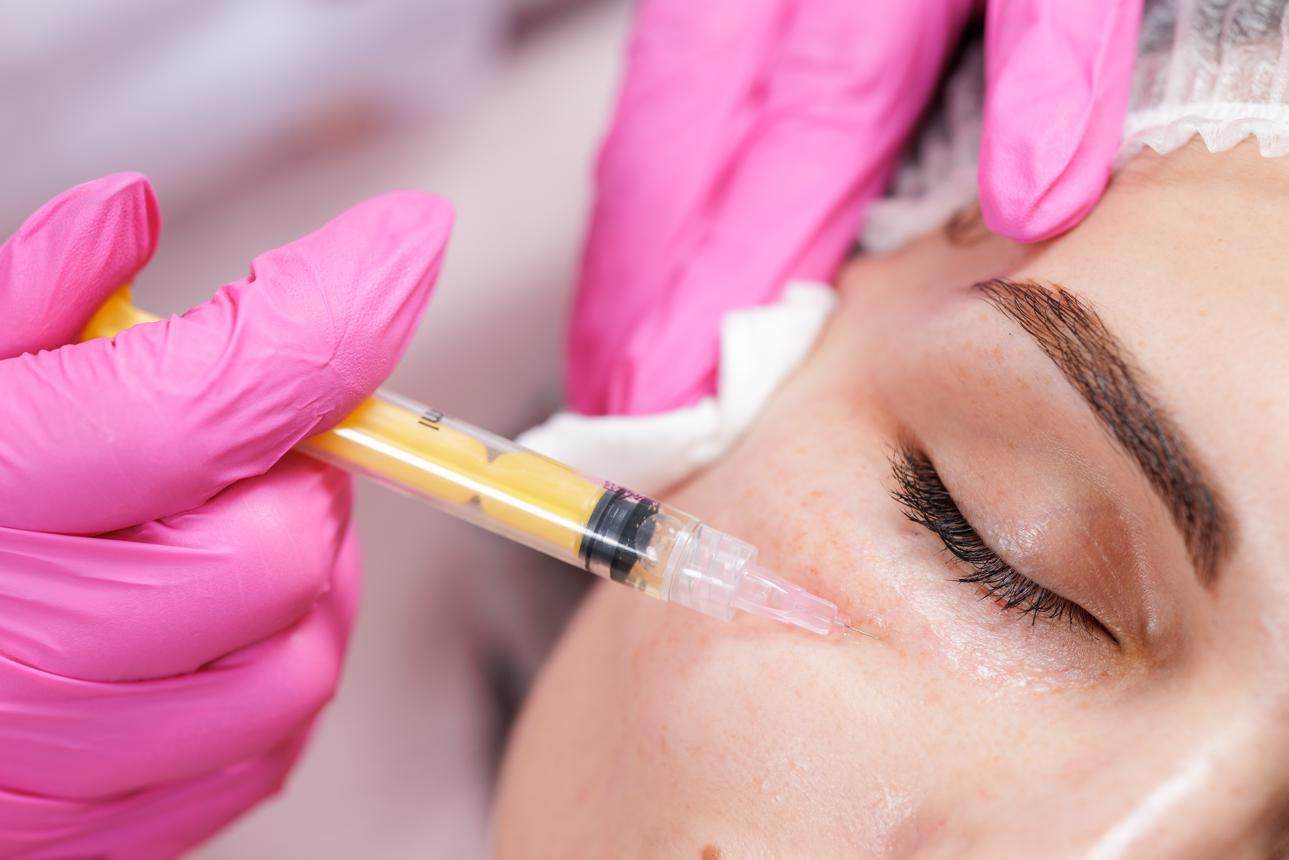
Mesotherapy is a French rejuvenation technique that uses micro injections of vitamins, enzymes, antioxidants, and plant extracts to rejuvenate and tighten skin, improve hair quality, as well as remove excess fat. The exact ingredients vary depending on the treatment goal. The main advantage of the treatment is to deliver ingredients directly to the target tissue rather than relying on topical products or oral medications.
The technique was developed by Michel Pistor, a doctor in France in 1952. It was first developed for pain management and vascular disorders but over time, it became widely used in aesthetic medicine.
Mesotherapy works by combining mechanical stimulation from needles with the biological effects of injected substances placed directly into the skin.
The exact mechanism depends on the treatment goal. There is no single universal formula or mechanism because mesotherapy is really a delivery technique rather than one specific product.
The injections create a higher concentration of product in the target area and bypasses some systemic metabolism. However, exactly how much stays locally versus diffuses away varies considerably.
A typical mesotherapy cocktail might generally contain over 50 active ingredients to nourish, repair and rejuvenate skin.
How does Mesotherapy work?
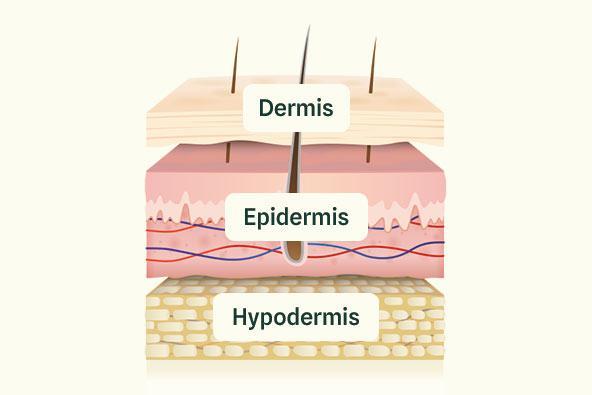
The skin is made up of 3 layers:
- Epidermis - outer protective layer
- Dermis (mesoderm area) - contains collagen, elastin, blood vessels, and hair follicles
- Subcutaneous fat - deeper fat layer
Mesotherapy injections are usually placed into the dermis or superficial fat layer using very fine needles to deliver product very superficially.
The procedure at worst can be described as mildly uncomfortable, however numbing cream can be applied.
Mesotherapy works through three main mechanisms:
1. Needle-Induced Repair
Tiny injuries trigger healing and collagen production.
2. Local Delivery
Active ingredients are injected directly into target tissues.
3. Tissue Remodeling
Inflammation, hydration, circulation changes, and cellular stimulation alter the treated area over time.
The exact biological effect depends heavily on what is injected, where it is injected and why it is being used.
What ingredients are commonly found in mesotherapy?
Different clinics use different “cocktails” depending on the treatment goal.
Common ingredients include:
Skin Rejuvenation
- Hyaluronic acid
- Vitamins (A, C, E, B-complex)
- Amino acids
- Antioxidants
- Peptides
Hair Loss Treatments
- Biotin
- Finasteride
- Dutasteride
- Minoxidil-related compounds
- Growth factors
Fat Reduction / Body Contouring
- Phosphatidylcholine
- Deoxycholate
- L-carnitine
- Caffeine compounds
Mesotherapy can instantly improve dull, tired looking skin and superficial wrinkles but can also help to improve sluggish blood circulation, aiding the body to flush out ageing toxins. This treatment can also be used to address hyperpigmentation, treat acne and ‘lit-from-within’ skin glow.
Mesotherapy vitamin cocktails can stimulate the fibroblast cell in the skin to produce more collagen to combat the signs of aging. Amongst the list of skin-friendly plant ingredients injected are vitamins, growth factors, Hyaluronic acid, peptides, antioxidants and trace elements that provide the ideal environment for healthy skin that copes with the aging process better.
It’s definitely worth doing if you have an event that you want a quick-fix for and can be combined alongside anti -wrinkle injections and fillers.
Areas Requiring Extra Caution / High-Risk Zones
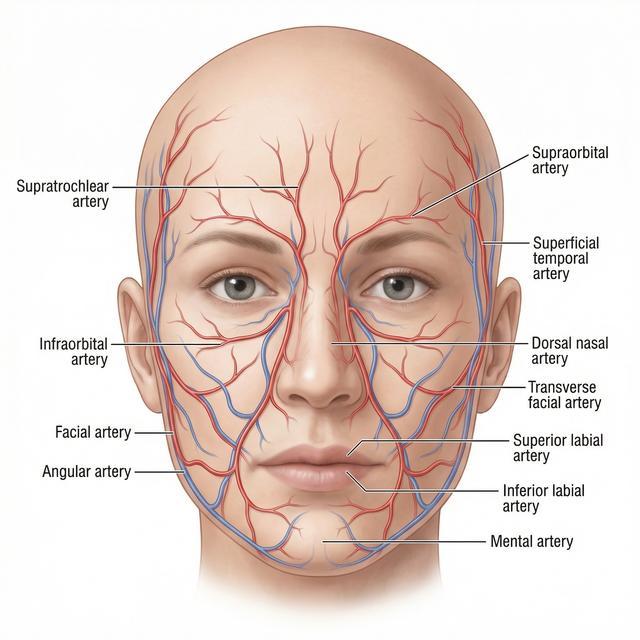
High-risk zones exist as the face has a dense network of blood vessels. Some arteries connect directly or indirectly to vessels supplying the eyes and brain. Most complications are minor, but rare severe vascular injuries can occur if injections are performed improperly.
If material accidentally enters a blood vessel:
- the vessel may become blocked
- blood supply can stop
- tissue damage may occur
Even though mesotherapy usually uses very superficial injections, danger still exists because:
- anatomy varies
- vessels may lie close to the surface
- repeated injections increase exposure
Treat with caution :
- Around the Eyes - Risk of bruising, swelling or vascular injury
Avoid :
- Nose Area - Contains important blood vessels
- Temple Region - Superficial arteries run here
- Glabella (between eyebrows) - This is a vascular danger zone in cosmetic injections
Techniques
Nappage Technique
The classic injection method used in mesotherapy. It involves delivering many rapid, superficial microinjections across the skin using a fine needle at a shallow angle.
The word nappage comes from French and roughly means “covering” or “layering,” referring to how the skin is evenly covered with tiny injections.
Instead of injecting a large amount in one location, the practitioner moves continuously across the skin, depositing tiny droplets repeatedly to treat a broad surface area evenly.
It is commonly used for facial rejuvenation, hydration, scalp/hair mesotherapy and superficial cellulite treatments.
The needle is usually inserted very superficially (about 1–4 mm depending on area) and at a shallow angle (around 30–60 degrees to the skin surface).
Papule Technique :
Unlike nappage (rapid moving injections), the papule method uses slower, more deliberate, point-by-point injections.
A larger amount of product is injected slowly. This creates a small dome-shaped bump and is visible immediately on the skin surface. The practitioner repeats the process across the treatment area with injections spaced 1-2 cm apart.
The needle is inserted very superficially (approximately 1-2 mm) and at a shallow angle (around 10–30 degrees).
Treatment Protocol
A course of 4 treatments (1 every 3 weeks) is recommended to improve the skin quality.
- Complete a thorough consultation and skin analysis to determine which product you’ll be injecting, based on the clients skin concern and treatment goals.
- Double cleanse the treatment area.
- Disinfect the treatment surface.
- Carry out microinjections in the treatment area.
- Apply post treatment care including SPF
Common Side Effects Of Mesotherapy :
- Redness and flushing
- Swelling and pain
- Tenderness and itching
- Bruising and bleeding
These typically resolve within minutes, sometimes hours and rarely days after treatment. Extremely rare side effects may include infections and ulceration.
Patch Testing
A patch test is mainly intended to reduce the risk of:
- allergic reactions
- hypersensitivity
- irritation
- inflammatory responses
Because mesotherapy cocktails can contain multiple substances, patch testing may sometimes be recommended - especially in people with:
- allergy history
- sensitive skin
- autoimmune tendencies
- prior reactions to injectables or skincare products
Practitioners perform a small ‘test injection’ by injecting a tiny amount of product superficially into the forearm. This can be done 24-24 hours before the treatment is carried out.
The practitioner should monitor for:
- excessive swelling,
- itching,
- wheal formation,
- inflammation,
- delayed reactions.
Post Treatment Care
- After the session, you can expect the skin to be red for a period of up to 3-5 days, but you can wear mineral makeup starting the next day to hide the colour.
- Many patients can expect to be able to go out to dinner the following night.
- People may experience some light burning, tightness, and mild flaking.
- Noticeable differences in the texture of the skin will occur within 5-7days.
- To ensure the proper healing environment, do NOT use any Alpha Hydroxy Acids, Beta Hydroxy Acid, Retinol (Vitamin A), Vitamin C (in a low pH formula) or anything perceived as “active” skincare for one week post treatment.
- Do not use any powered cleansing brushes for one week post treatment.
- Avoid intentional and direct sunlight for 72 hours including sun beds.
- Always wear sunscreen.
- Avoid swimming, sauna and steamrooms for at least 24 hours post-treatment.
- Do not exercise or participate in strenuous activity for the first 24 hours post-treatment. Sweating and gym environments in general are harmful and filled with bacteria, which may cause adverse reactions in your skin.
- Change your pillowcase and towels the night of your treatment to avoid bacteria in the treatment area.
- Avoid make-up for 24 hours.
FAQ’S
Is Mesotherapy painful?
A numbing cream can be applied, and you’ll feel a tiny injection scratch on your skin - the treatment lasts about 20 min.
What’s the treatment used for?
Mesotherapy is used to improve body, hair, cellulite - different cocktails are applied to induce collagen production and create healthy looking skin and hair.
- Hydrates, rejuvenates and tightens the skin
- Regenerates and restructures the skin
- Protects the skin
- Improves radiance and hydration of the skin
- Rebuilds the skin.
- Improves acne and scarring.
- Gives instant glow.
- Hair loss.
- Fat reduction.
Are There Any Side Effects?
Like with any other cosmetic injection procedure, very rare side effects might include bruising, reaction to the injected vitamin cocktail , infection, inflammation and swelling.
When will I see results?
Facial hydration/glow - Often noticeable within days to weeks. Firmness/Elasticity - Usually require several months Hair treatments - Usually require several months.
Results are usually progressive rather than immediate.
How long do results last?
Results are temporary. Maintenance is usually needed because:
- aging continues
- hydration decreases over time
- hair loss may progress
Duration varies from weeks to several months.
Consent form
- Always make sure your patient signs a consent form.
- Name the procedure.
- Explain the procedure.
- Discuss expectations.
- Explain contraindications.
- Explain possible side effects.
- Explain downtime and recovery time.
- Take before photos.
- Sign & date, file.
Infection Control and Sharps Handling
Every microneedling treatment should follow standard infection-control and sharps-handling procedures to reduce risk of bloodborne pathogen exposure and skin infection.
Before Treatment
- Wash hands thoroughly and wear new disposable gloves.
- Use only sterile, single-use needles.
- Check packaging integrity and expiration dates.
- Clean and disinfect the treatment surface.
- Prep the client’s skin with an appropriate antiseptic
During Treatment
- Treat all needles as contaminated once opened/used.
- Never touch needle tips directly.
- Do not recap, bend, or manipulate used needles.
- Avoid cross-contamination
- Do not re-dip contaminated instruments into product containers.
- Use disposable applicators where possible.
- If interrupted, safely set the syringe down on a clean kidney dish.
Sharps Disposal
Immediately after use:
- Remove the cartridge/needle carefully.
- Place directly into an approved puncture-resistant sharps container .
- Do not:
- Throw needles into regular waste bins
- Overfill sharps containers
- Attempt to reuse single-use cartridges
Sharps containers should:
- Be closable, leak-resistant, and labeled
- Remain upright
- Be replaced before reaching the fill line (usually ~¾ full)
Exposure Incident Protocol
If accidental needlestick or blood exposure occurs:
- Wash the area immediately with soap and water.
- Flush mucous membranes with water if exposed.
- Report/document the incident.
- Seek occupational health or medical evaluation promptly for bloodborne pathogen assessment.
After Treatment
- Remove gloves safely and wash hands.
- Disinfect reusable device surfaces according to manufacturer instructions.
- Dispose of all contaminated gauze/barriers as clinical waste if required by local regulation.
- Document:
- Lot numbers (if applicable)
- Device used
- Treatment depth/settings
- Any adverse events
Legislations and Regulations Relating to Mesotherapy
Health and Safety at Work Act 1974
Requires employers and self employed practitioners to:
- Protect clients and staff
- Maintain a safe working environment
- Provide safe equipment
- Reduce risk of injury and infection
Control of Substances Hazardous to Health (COSHH Regulations) 2002
Relates to:
- Disinfectants
- Cleaning chemicals
- Blood/bodily fluid exposure
- Clinical waste handling
Requires:
- COSHH Assessments
- Safe storage
- Staff training
- PPE
Reporting of Injuries, Diseases and Dangerous Occurrences Regulations (RIDDOR)
Relates to the reporting of:
- Serious sharps injuries
- Occupational exposure incidents
- Major accidents
Local Government (Miscellaneous Provisions) Act 1982
Some local authorities regulate:
- Skin piercing
- Cosmetic procedures
- Microneedling premises
Requirements may include:
- Practitioner registration
- Premises inspection
- Hygiene standards
Rules vary by local council.
Book your consultation
Clinic Appointments
Solihull, West Midlands.
Private Mobile Treatments
Available across the Midlands for home, office, or hotel visits.
Coming Soon
Wider UK coverage as Vital Glow expands.