

Microneedling
Licensed for use by Vital Glow
What Is Microneedling?
Microneedling is a procedure where very small needles puncture the top layers of the skin in a controlled way. The goal is not to “damage” the skin randomly, but to trigger a repair response that makes the skin rebuild itself by releasing growth factors that stimulate fibroblasts, creating new collagen and elastin.
The aim is to traumatise the skin without collateral damage to the epidermis and healthy skin tissue. Think of it as creating thousands of tiny, temporary channels in the skin so the body starts a healing-and-remodeling process.
Microneedling can improve a range of concerns over time, especially with repeated professional treatments. The main treatment results are gradual and correct technique is very important for safety and effectiveness.
How The Skin Responds
Your skin reacts in several stages:
1. Injury phase (minutes to hours)
Tiny punctures are made in the skin.
This can cause mild inflammation, the release of growth factors and increased blood flow.
The punctures are microscopic and usually close within hours.
2. Repair phase (days)
Skin cells begin repairing the area.
Fibroblast cells become active and start producing collagen to give the skin firmness and will structure elastin to give the skin elasticity.
This is the main reason microneedling is used for scars and aging skin.
3. Remodeling phase (weeks to months)
New collagen gradually reorganizes.
Over time the skin may become smoother, thicker, more even in texture and less scarred.
This process continues for several months after treatment.
What Can Microneedling Treat?
Microneedling is mainly used to improve skin texture, scarring, and signs of aging by stimulating collagen production. It can treat a wide range of cosmetic skin concerns, though results vary depending on the condition and severity.
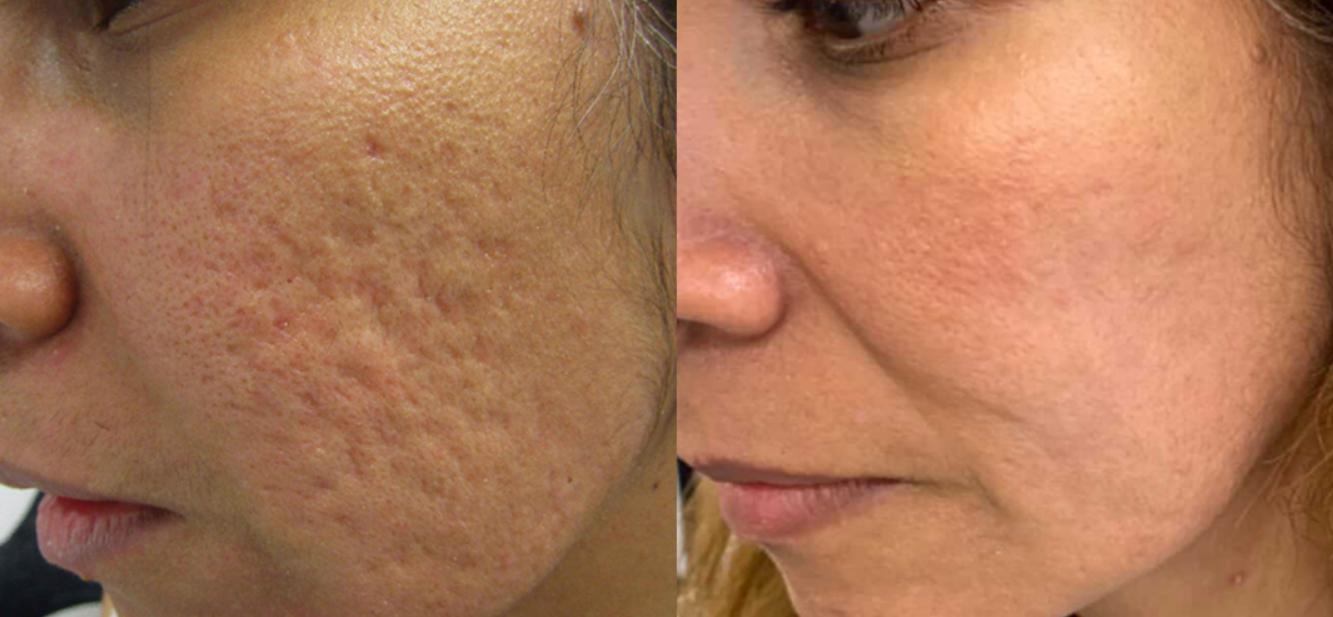
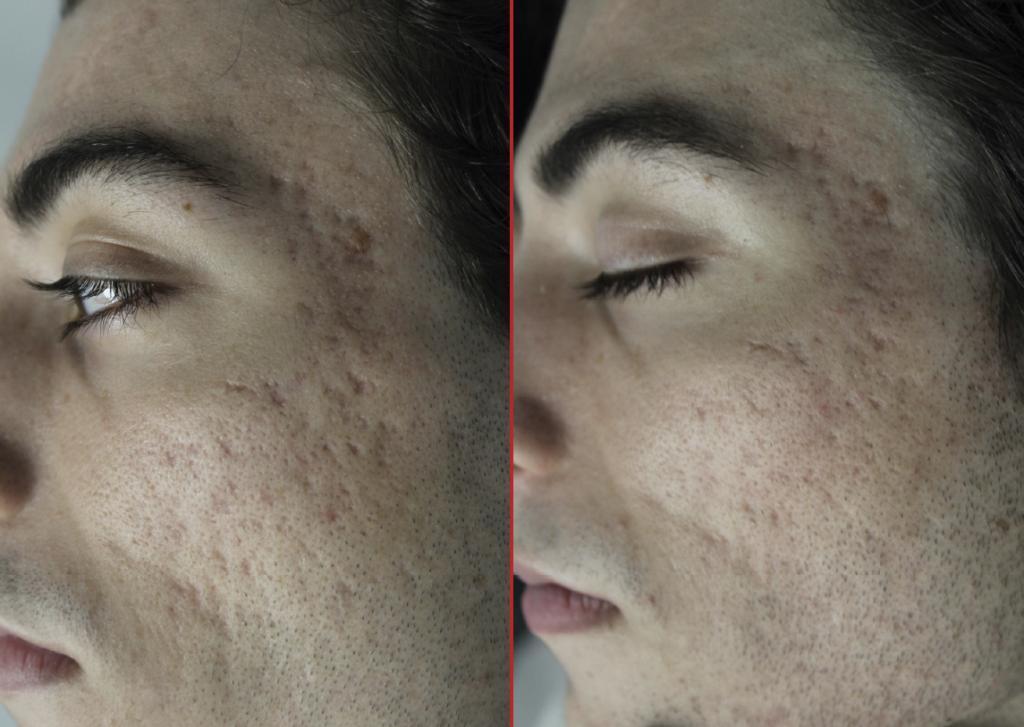
Acne scars
Especially helpful for:
- Rolling scars - broad, shallow depressions with gently sloping, wavy edges
- Boxcar scars - rounded/oval indented craters in the skin with sharply defined edges
- Mild texture irregularities
Less effective for:
- Deep ice-pick scars - deep indentations that extend vertically into the skin, giving a "punctured" appearance
Fine lines and wrinkles
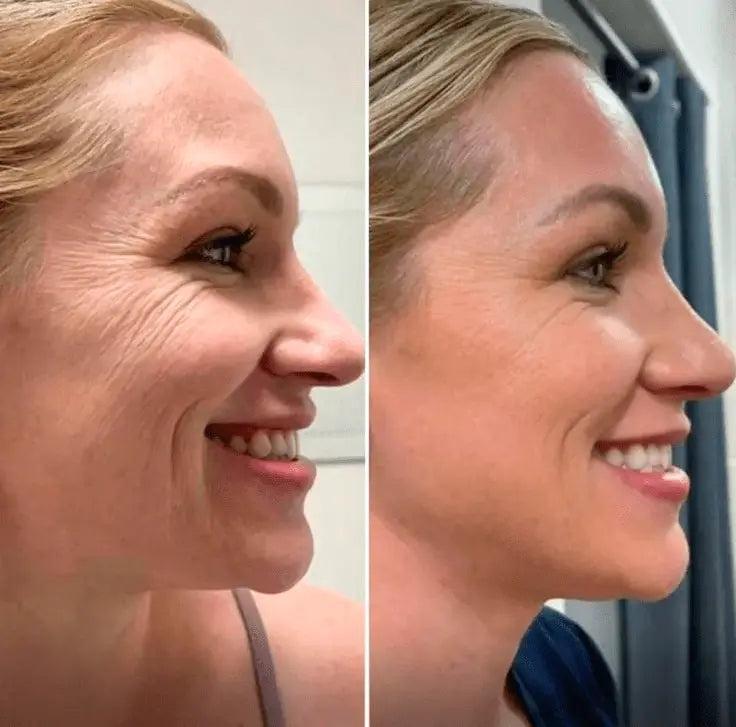
Can soften:
- Forehead lines
- Smile lines
- Crow’s feet
- Early aging signs
Works best for mild-to-moderate aging.
Enlarged pores
Collagen around pores can tighten the surrounding skin, making pores appear smaller.
Most noticeable on:
- Nose
- Cheeks
- T-zone
Uneven skin texture
Can improve:
- Roughness
- Mild bumps
- Dull skin
- General texture irregularities
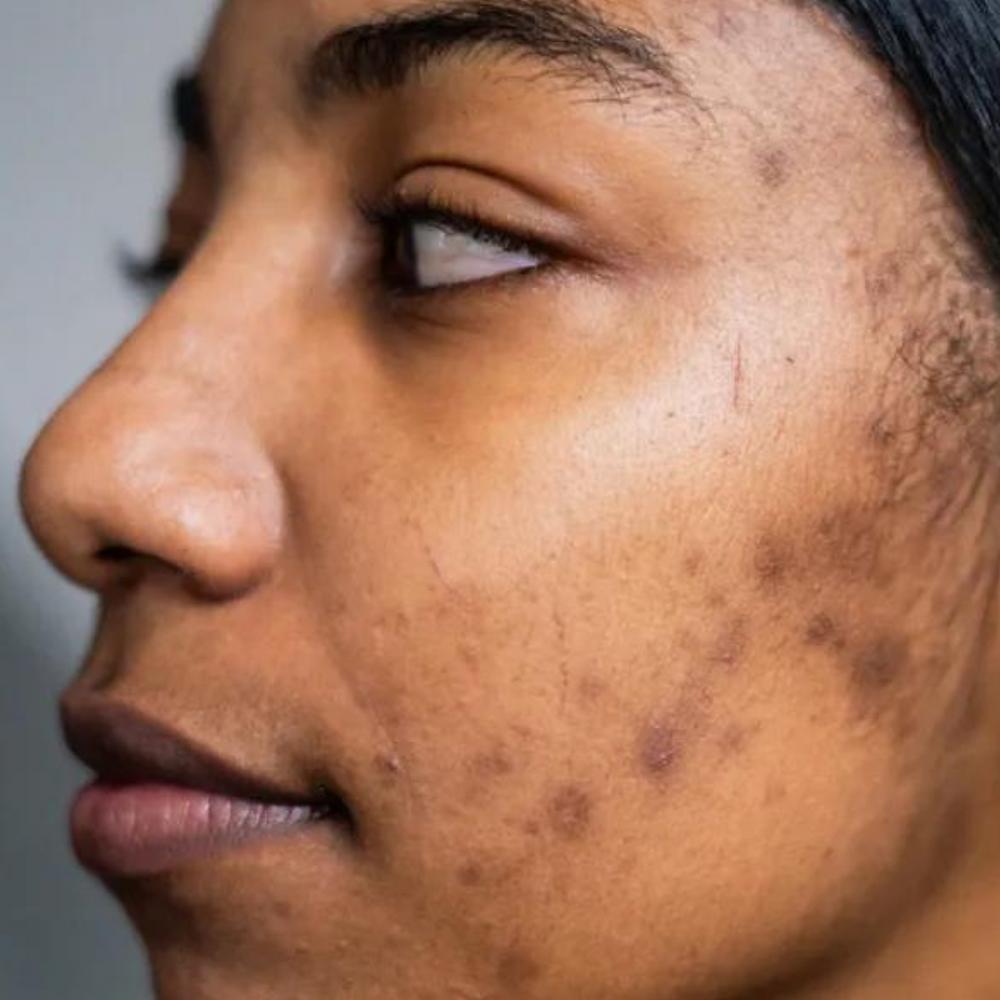
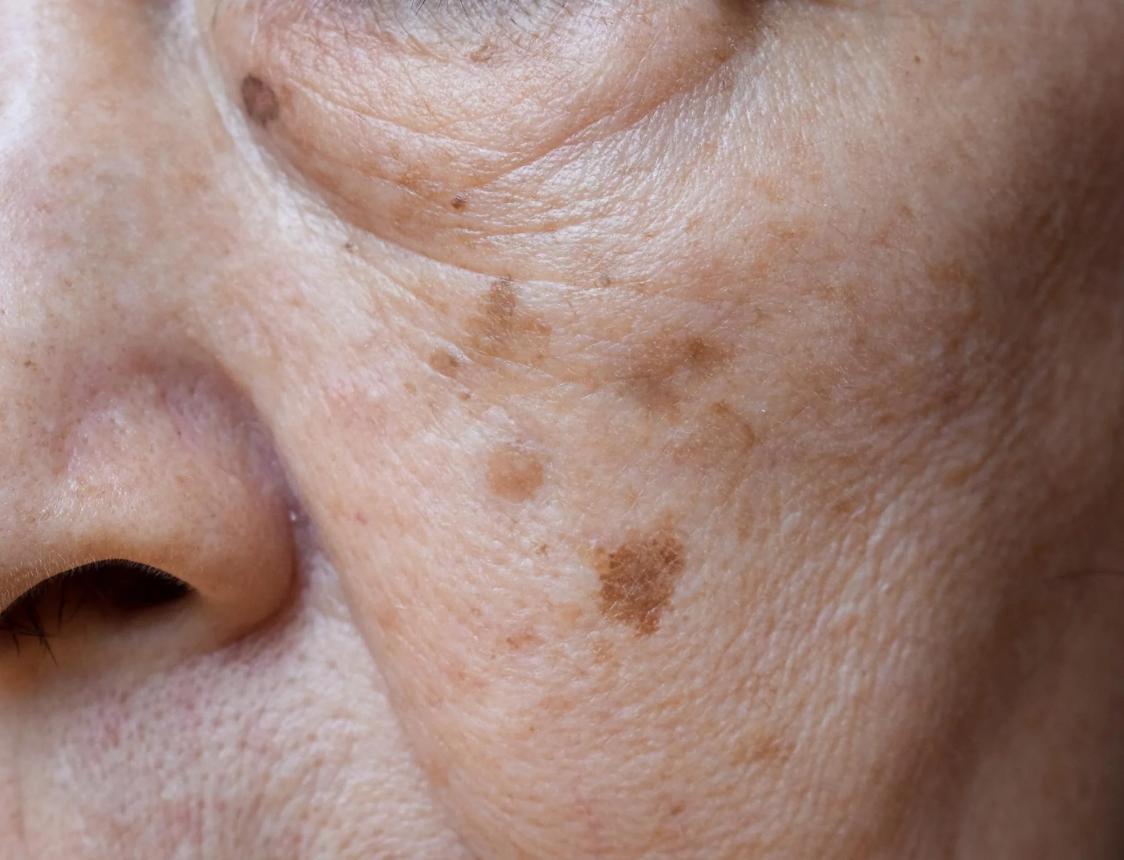
Hyperpigmentation
May help:
- Post-inflammatory hyperpigmentation
- Sun spots/sun damage
- Uneven tone
Must be done carefully in darker skin tones to avoid worsening pigmentation.
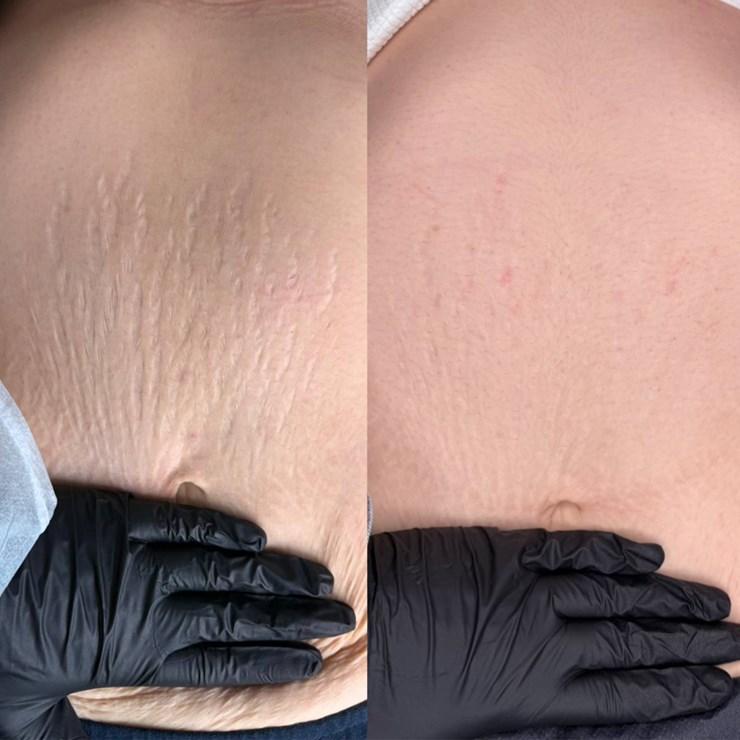
Stretch marks
Can improve texture and visibility of pregnancy, weight-change or growth-related stretch marks
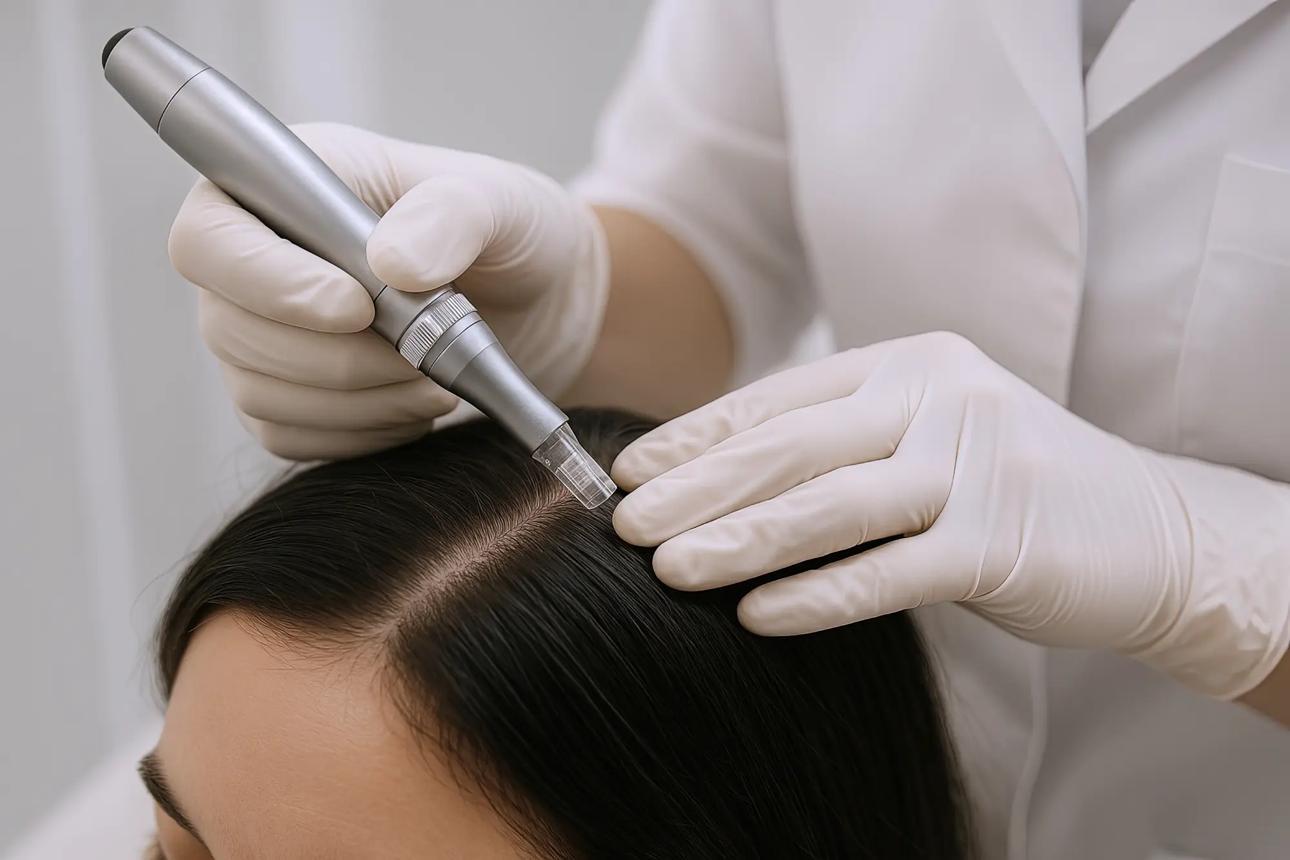
Hair loss
Scalp microneedling is sometimes used for:
- Thinning hair
- Pattern hair loss
Microneedling may help somewhat, but results are less predictable for:
- Melasma
- Deep wrinkles
- Severe sagging skin
- Deep surgical scars
- Cellulite
Microneedling also hosts a number of skin benefits for more mild concerns including:
- Strengthening the skin barrier
- Evening skin tone
- Rejuvenate tired and dull skin
- Aid product absorption
Contraindications
Although it is impossible to list every potential risk and complication, the following conditions are recognised as contraindications for microneedling procedure and must be disclosed prior to treatment.
- Active acne
- Active infection of any type, such as herpes simplex or flat warts
- Any raised lesions
- Open wounds or broken skin
- Chemotherapy or radiation.
- Eczema
- Dermatitis
- Keloid scarring
- Moles
- Oral blood thinner medications
- Rosacea
- Scleroderma
- Skin Cancer
- Sunburn
- Thick dark facial hair
- Uncontrolled diabetes
- Use of Accutane - within 12 months
- Pregnancy and breastfeeding
- Recent laser, chemical peel or botox & filler treatments
Microneedling Depths
Microneedling depth refers to how far the needles penetrate into the skin, usually measured in millimeters (mm). Different depths target different skin layers and concerns.
Using the correct depth is important because
- Too shallow leads to little effect
- Too deep leads to higher risk of pain, bleeding, scarring, and pigmentation problems
Most cosmetic microneedling targets the epidermis and upper dermis where collagen remodeling occurs.
Please note: depths may vary from device to device so it is important to check the specific guidelines for the microneedling pen you use.
- 0.25mm - At home device
- 0.25mm - 1.5mm - Clinical use
- 1.5mm - 2mm - Body use
Microneedling Technique
- Hashtags
The device is moved in straight lines vertically, horizontally and diagonally. This creates a crisscross or “hashtag” pattern across the skin. - Circles
The device is moved in small circular motions over the skin. - Stippling/stamping
The device is pressed vertically into each specific area repeatedly rather than gliding continuously.

Post Treatment Care
- After the session, you can expect the skin to be red for a period of up to 3-5 days, but you can wear mineral makeup starting the next day to hide the colour.
- Many patients can expect to be able to go out to dinner the following night.
- People may experience some light burning, tightness, and mild flaking.
- Noticeable differences in the texture of the skin will occur within 5-7days.
- To ensure the proper healing environment, do NOT use any Alpha Hydroxy Acids, Beta Hydroxy Acid, Retinol (Vitamin A), Vitamin C (in a low pH formula) or anything perceived as “active” skincare for one week post treatment.
- Do not use any powered cleansing brushes for one week post treatment.
- Avoid intentional and direct sunlight for 72 hours including sun beds.
- Always wear sunscreen.
- Avoid swimming, sauna and steamrooms for at least 24 hours post-treatment.
- Do not exercise or participate in strenuous activity for the first 24 hours post-treatment. Sweating and gym environments in general are harmful and filled with bacteria, which may cause adverse reactions in your skin.
- Change your pillowcase and towels the night of your treatment to avoid bacteria in the treatment area.
- Avoid make-up for 24 hours.
FAQ’s
How Many Sessions Are Needed?
For maximum results, 6 treatments should be carried out at 4 week intervals. Maintenance treatments may be required.
How Long Do Results Last?
The results from your first procedure will last between 4-6 weeks after they have finalised.
Am I the right candidate for this procedure?
If you’re at least 20 and in reasonably good health, this is almost certainly suitable for you. This treatment is good for people of all ages and all skin types, textures, and colours. It poses no risk for those with darker skin like laser or IPL treatments sometimes do.
How Long Is The Treatment?
45 - 60 minutes.
What if I have acne?
The main benefit for acne sufferers is that it reduces pore size and reduces the appearance of scarring. If you suffer from acne, you can receive this treatment if there is not an active breakout. It is important to treat the acne itself before moving onto scarring treatment to ensure maximum results.
How can I extend my results?
If you take care of your skin, you can expect your results to last a long time. Some important self-care steps to follow include:
- Drink at least 2 litres of water per day and more if you’re active or live in a dry climate.
- Get plenty of vitamins A, C, D, E, and K along with all the B vitamins.
- Do not smoke.
- Minimize your alcohol intake and drink plenty of water between alcoholic drinks.
- Avoid spending time in the sun without sunscreen or direct protection.
- Eat a diet that minimizes sugar and processed foods.
- Be consistent with skincare suited to your skin type and skin concern.
Consent form
- Always make sure your patient signs a consent form.
- Name the procedure.
- Explain the procedure.
- Discuss expectations.
- Explain contraindications.
- Explain possible side effects.
- Explain downtime and recovery time.
- Take before photos.
- Sign & date, file.
Combination Treatments With Microneedling
Combination therapy is commonly used to improve outcomes, target multiple concerns simultaneously, and enhance collagen stimulation. The safest and most effective combinations depend on:
- skin type,
- indication,
- barrier health,
- downtime tolerance,
- and practitioner scope of practice.
Common combination treatments include :
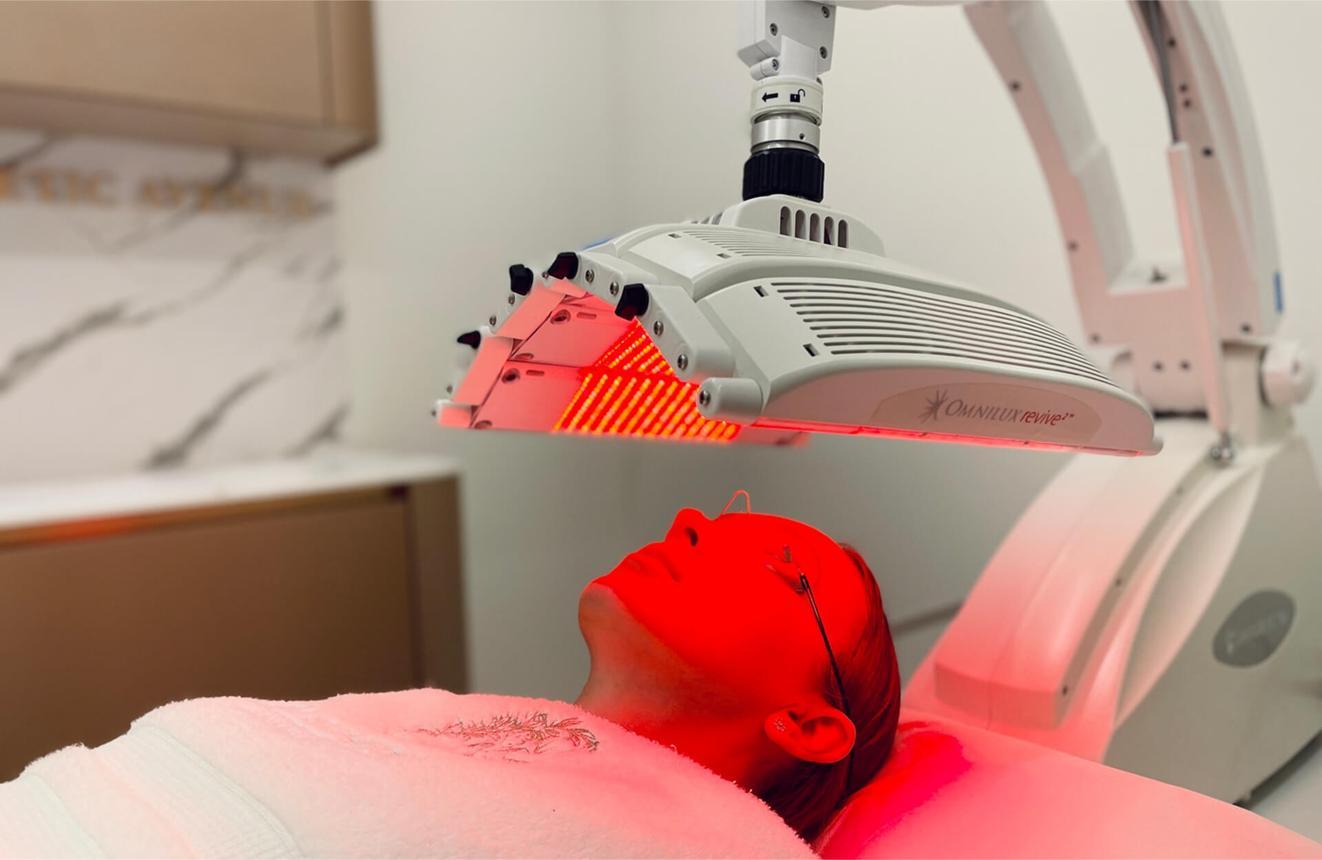
1. Microneedling + LED Light Therapy
Benefits:
- Reduces inflammation
- Accelerates healing
- Minimizes erythema
- Supports collagen synthesis
Typical approach:
- Microneedling first
- Follow immediately with LED
Common wavelengths:
- Red LED - anti-inflammatory
- Blue LED - anti-bacterial
- Near infrared - anti-ageing
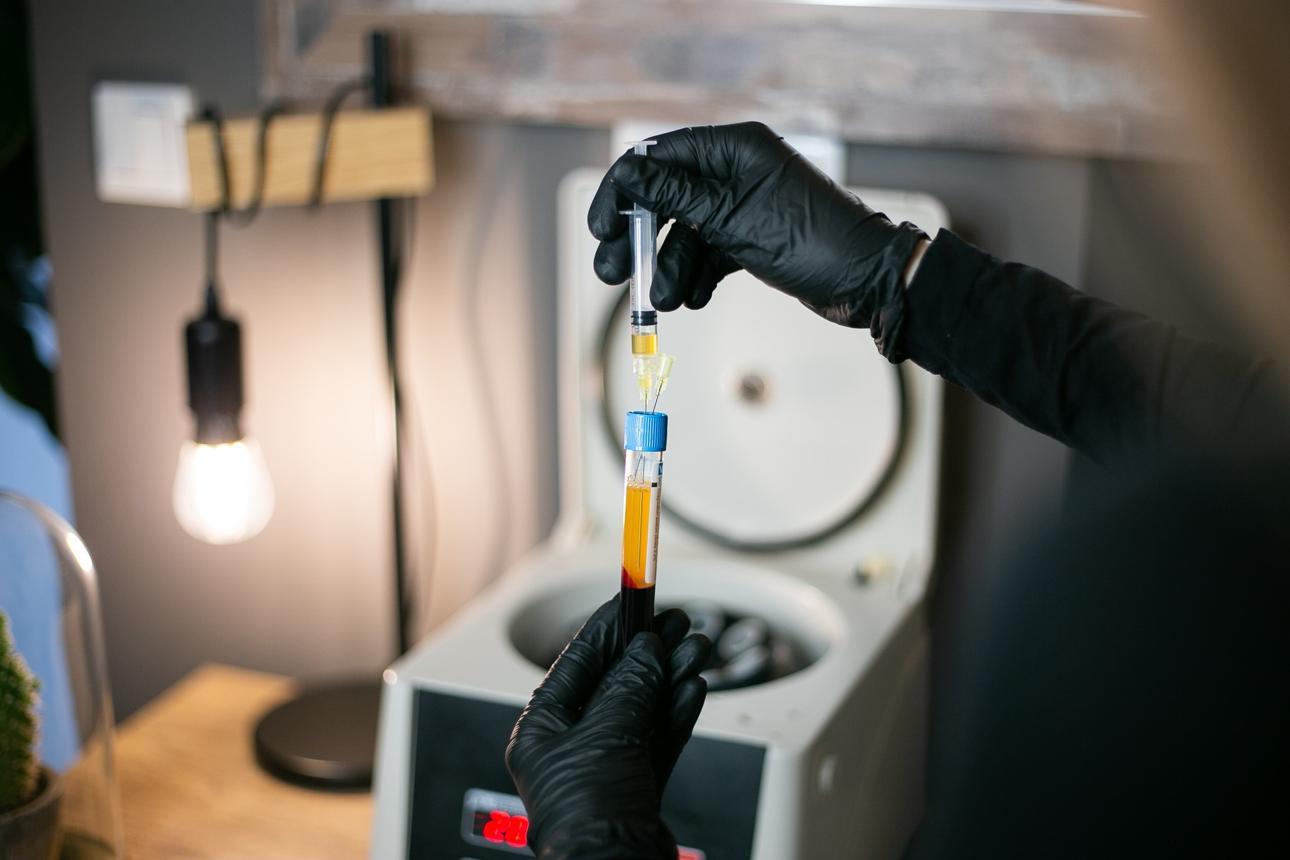
2. Microneedling + PRP (“Vampire Facial”)
Uses platelet-rich plasma derived from the client’s blood.
Potential benefits:
- Enhanced healing
- Growth factor stimulation
- Improved texture/scarring outcomes
Often used for:
- Acne scars
- Skin rejuvenation
- Hair restoration
Important considerations:
- Requires blood handling training
- Infection-control compliance
- Medical oversight may be required depending on jurisdiction
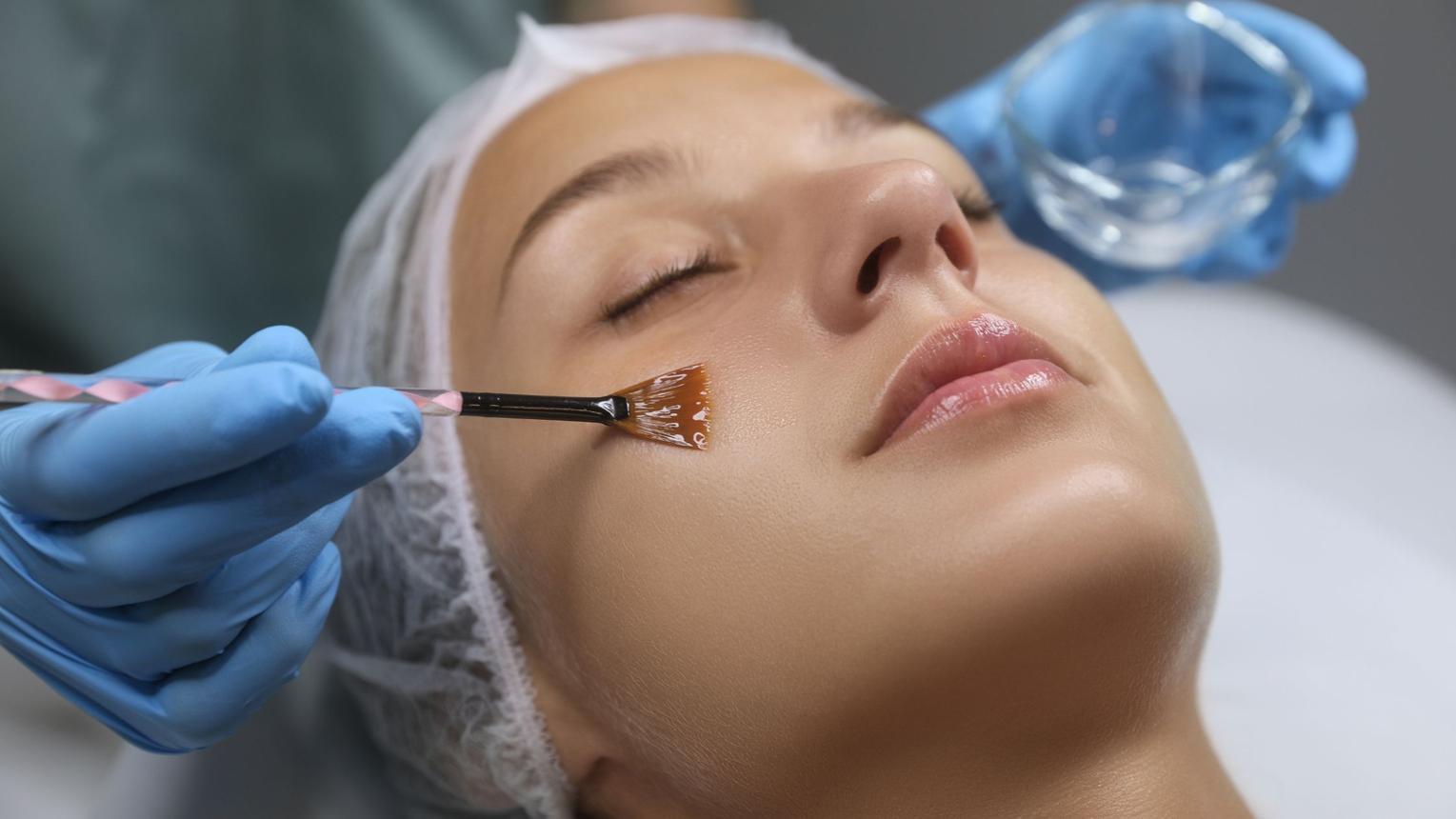
3. Microneedling + Chemical Peels
Can improve:
- Pigmentation
- Texture
- Acne
- Fine lines
Requires caution:
- Increased irritation risk
- Higher PIH risk in darker skin types
- Timing is critical
Common approaches:
- Peel 1–2 weeks before microneedling
- Very superficial peel immediately after (advanced practitioners only)
Avoid aggressive peel combinations unless medically supervised.
4. Microneedling + Mesotherapy / Skin Boosters
Sterile serums or actives may be infused during treatment.
Common ingredients:
- Hyaluronic acid
- Vitamins
- Peptides
- Amino acids
Key points:
- Use products specifically approved/suitable for microneedling
- Avoid heavily fragranced or irritating ingredients
- Maintain aseptic technique
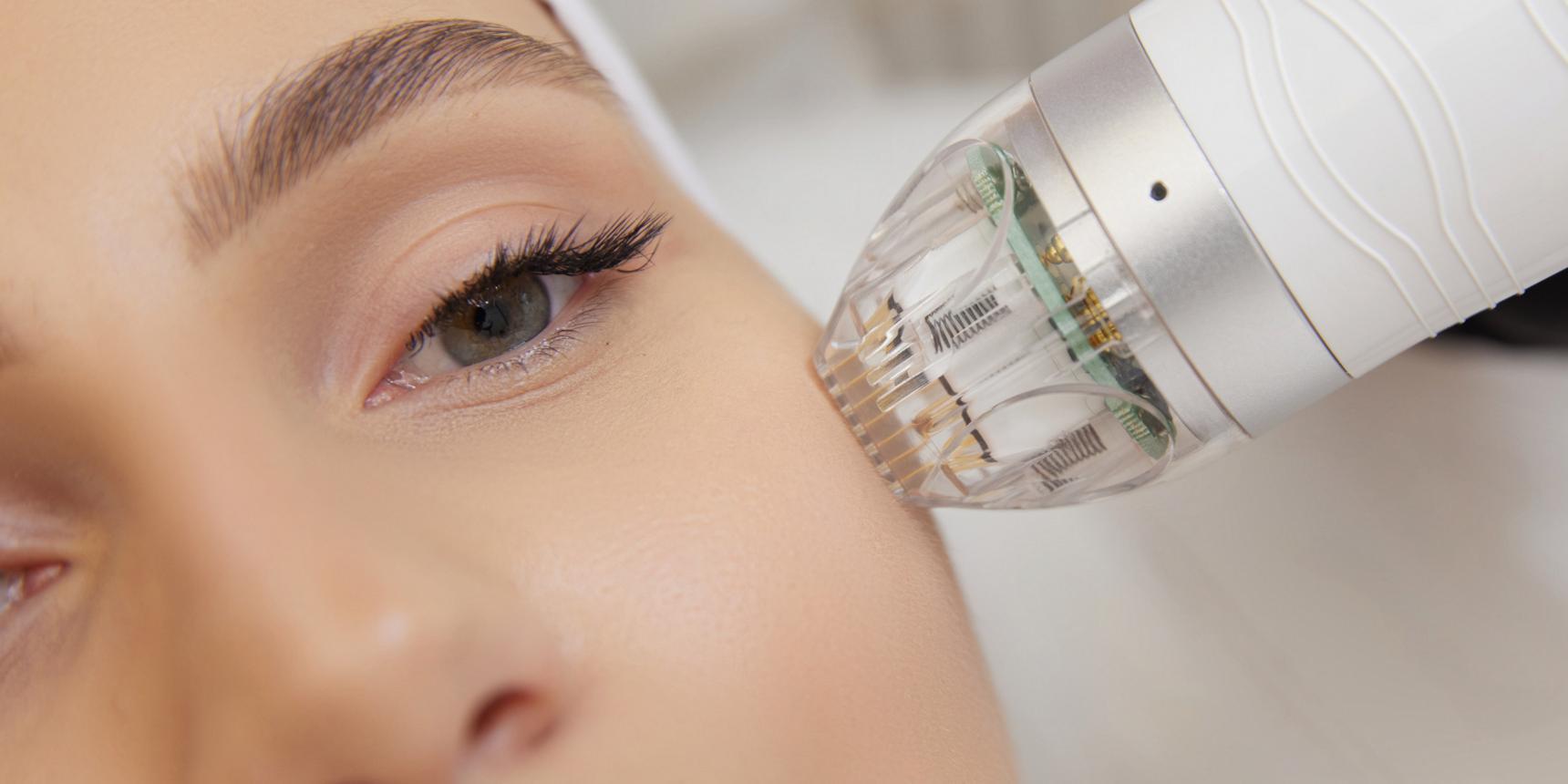
5. Microneedling + Radiofrequency (RF Microneedling)
Commonly used for:
- Skin tightening
- Acne scarring
- Texture
- Laxity
Devices deliver heat into the dermis through insulated needles.
More downtime and higher risk profile than standard microneedling.
6. Microneedling + Exosomes
A newer regenerative aesthetics trend.
Marketed for:
- Healing support
- Hair restoration
- Anti-aging
Important CPD/manual note:
- Regulatory status varies significantly
- Evidence base is still developing
- Product sourcing and legality must be verified carefully
Infection Control and Sharps Handling
Every microneedling treatment should follow standard infection-control and sharps-handling procedures to reduce risk of bloodborne pathogen exposure and skin infection.
Before Treatment
- Wash hands thoroughly and wear new disposable gloves.
- Use only sterile, single-use needle cartridges or needles.
- Check packaging integrity and expiration dates.
- Clean and disinfect the treatment surface.
- Prep the client’s skin with an appropriate antiseptic
During Treatment
- Treat all needles as contaminated once opened/used.
- Never touch needle tips directly.
- Do not recap, bend, or manipulate used needles.
- Avoid cross-contamination
- Do not re-dip contaminated instruments into product containers.
- Use disposable applicators where possible.
- If interrupted, safely set the device down on a clean kidney dish.
Sharps Disposal
Immediately after use:
- Remove the cartridge/needle carefully.
- Place directly into an approved puncture-resistant sharps container .
- Do not:
- Throw needles into regular waste bins
- Overfill sharps containers
- Attempt to reuse single-use cartridges
Sharps containers should:
- Be closable, leak-resistant, and labeled
- Remain upright
- Be replaced before reaching the fill line (usually ~¾ full)
Exposure Incident Protocol
If accidental needlestick or blood exposure occurs:
- Wash the area immediately with soap and water.
- Flush mucous membranes with water if exposed.
- Report/document the incident.
- Seek occupational health or medical evaluation promptly for bloodborne pathogen assessment.
After Treatment
- Remove gloves safely and wash hands.
- Disinfect reusable device surfaces according to manufacturer instructions.
- Dispose of all contaminated gauze/barriers as clinical waste if required by local regulation.
- Document:
- Lot numbers (if applicable)
- Device used
- Treatment depth/settings
- Any adverse events
Legislations and Regulations Relating to Microneedling
Health and Safety at Work Act 1974
Requires employers and self employed practitioners to:
- Protect clients and staff
- Maintain a safe working environment
- Provide safe equipment
- Reduce risk of injury and infection
Control of Substances Hazardous to Health (COSHH Regulations) 2002
Relates to:
- Disinfectants
- Cleaning chemicals
- Blood/bodily fluid exposure
- Clinical waste handling
Requires:
- COSHH Assessments
- Safe storage
- Staff training
- PPE
Reporting of Injuries, Diseases and Dangerous Occurrences Regulations (RIDDOR)
Relates to the reporting of:
- Serious sharps injuries
- Occupational exposure incidents
- Major accidents
Local Government (Miscellaneous Provisions) Act 1982
Some local authorities regulate:
- Skin piercing
- Cosmetic procedures
- Microneedling premises
Requirements may include:
- Practitioner registration
- Premises inspection
- Hygiene standards
Rules vary by local council.
Book your consultation
Clinic Appointments
Solihull, West Midlands.
Private Mobile Treatments
Available across the Midlands for home, office, or hotel visits.
Coming Soon
Wider UK coverage as Vital Glow expands.