

Vitamin B12
Licensed for use by Vital Glow
Health & Safety
You will need to maintain a high standard of hygiene as well as health and safety, not only for yourself but also for your employees, clients and any visitors to your business.
It is a legal requirement for employees to display an approved health and safety poster or to provide employees with an equivalent leaflet or information.
All businesses are required by law to comply with the following acts, which are monitored and managed by The Health & Safety Executive (HSE). You should also get copies of the following regulations from your local council or off the HSE website.
Health and Safety at Work Act 1974
This protects your rights as an employer or employee. The law states that the employer must provide a safe working environment, provide health and safety training for staff, produce a written policy of the company’s health and safety policy and ensure that anyone on their premises is not exposed to any health or safety risks.
Trade Descriptions Act (1968 and 1972)
These Acts prohibit the use of false descriptions of goods or services. The information must always be accurate, false comparisons must not be made, and misleading price comparisons must not be made. A product may not be described as being of a 'reduced' price if it has not been available at a higher price for a minimum of 28 days.
General Data Protection Regulation GDPR
If you are collecting and storing personal data as a therapist, then you will need to comply with GDPR. You will need to decide which of the six lawful bases on which you will collect and store personal data and inform your clients of how and why you will retain their data and for how long. The Independent Commissioners Office will provide you with all relevant information.
Sale and Supply of Goods Act 1994
This states that goods must be as described and of satisfactory quality. They should be fit for purpose and safe for use. It is the responsibility of the retailer to correct a problem where the goods are not as described.
COSHH Regulations and Risk Assessment (Control of Substances Hazardous to Health)
COSHH regulations cover the essential requirements for controlling exposure to hazardous substances, and for protecting people who may be affected by them. You should carry out a COSHH assessment to identify all chemicals, products or other substances which could cause harm.
A substance is considered to be hazardous if it can cause harm to the body. It poses a risk if it is inhaled, ingested, in contact with the skin, absorbed through the skin, injected into the body or introduced to the body through cuts.
Always check the ingredients and instructions of all products to see what they contain and ensure they are correctly stored. If the product could cause harm, it should be listed on your COSHH assessment, together with what the risk is and who is at risk from it.
Next, decide on the degree of risk and who to minimise that risk. If you can, try to replace high-risk products with lower risk ones. Never leave chemicals identified as hazardous in areas accessible to the general public. Do not forget, COSHH substances include both those used for treatments and cleaning.
Local Government (Miscellaneous Provisions) Act 1982
A special treatment licence will be required if you carry out any form of massage, electrolysis or ear piercing and tattooing as they may produce blood and body tissue fluid. Each borough council in the UK has different requirements, so you should contact them to see whether they require you to hold a licence for the treatments you offer.
The Management of Health and Safety at Work Regulations 1999
Employers should make formal arrangements for maintaining and improving safe working conditions and practices. This includes competency training and risk assessments.
Management of Health and Safety at Work Regulations 1999
Employers should make formal arrangements for maintaining and improving safe working conditions and practices. This includes competency training and risk assessments.
The Manual Handling Operations Regulations 1992
This is relevant wherever manual lifting occurs to prevent skeletal and muscular disorders. The employer should undertake a risk assessment for all activities involving manual lifting.
The Personal Protective Equipment at Work Regulations 2002
This requires employers to identify activities which require special protective clothing, which must then be made available.
The Health and Safety (Display Screen Equipment) Regulations 1992
This covers the use of display screens and computer screens. This specifies the acceptable levels of radiation emissions from the screen, as well as identifying the correct posture and the number of rest periods.
The Electricity at Work Regulations 1992
Electrical items are potentially hazardous and should be used and maintained properly. You should always ensure that you are fully trained on a piece of equipment before operating it. All electrical equipment should be regularly PAT tested to ensure it is safe to use. If any equipment is deemed to be faulty or unsafe, you should stop using it immediately and report the problem. Make sure the equipment is clearly marked as faulty until the problem has been corrected to avoid it being used by other members of staff.
Health and Safety (First Aid) Regulations 1981
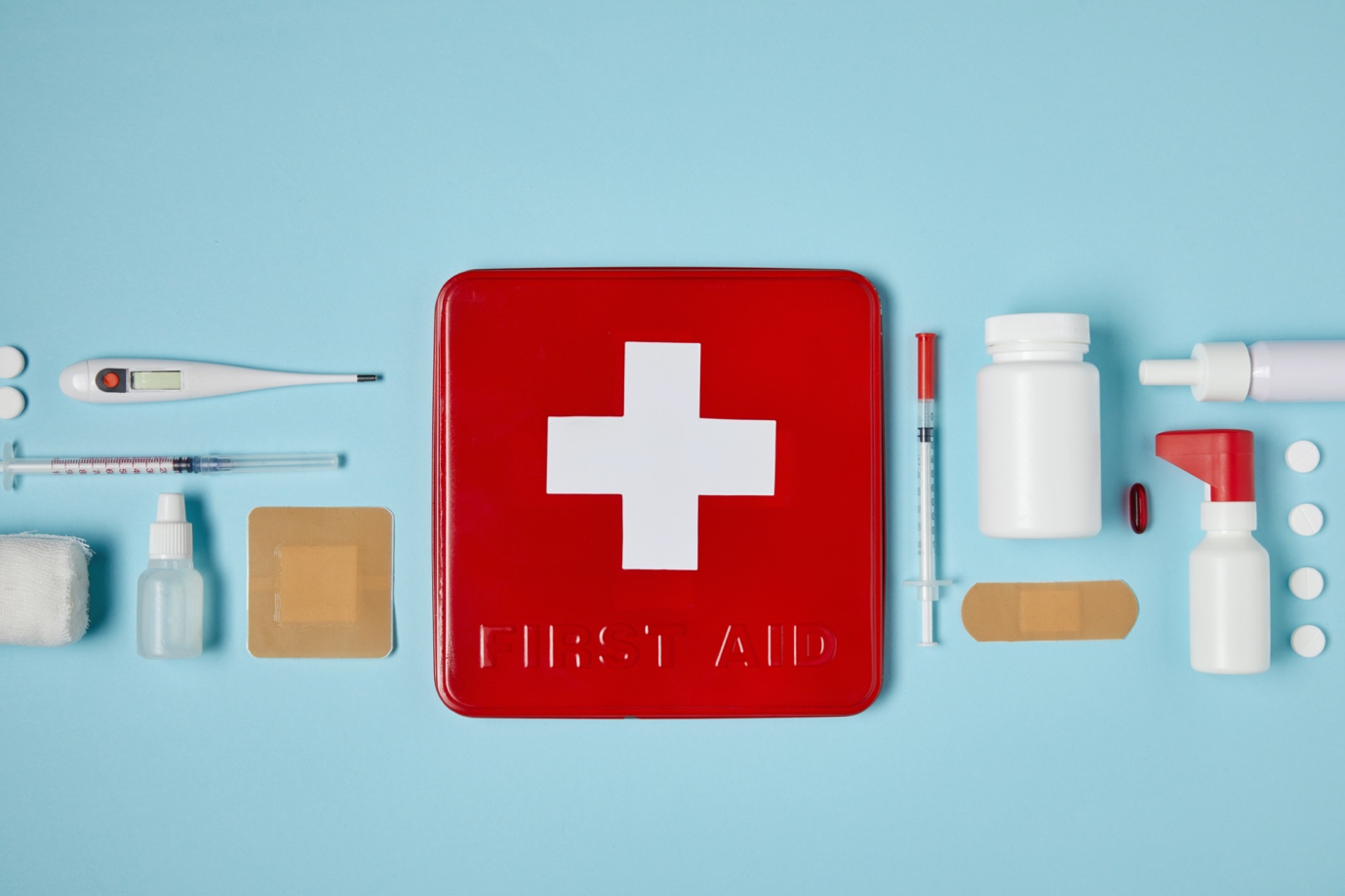
Whatever the size of your business, you should always make sure you have a First Aid kit on-site, as well as an eyewash bottle. You should ensure this is fully stocked at all times. You should have at least one 'Appointed Person' on hand to take charge in an emergency who holds an HSE-approved basic first aid qualification. You can contact the HSE on 0845 345 0055 for a list of suitable training providers.
RIDDOR-The Reporting of Injuries, Diseases & Dangerous Occurrences Regulations 1995
Employers should report any such cases to the HSE Incident Contact Centre. This includes loss of sight, amputation, fracture and electric shock. In all cases where a personal injury of any type occurs, it should be recorded in an accident book.
The Regulatory Reform (Fire Safety) 2005
All premises must have adequate means of dealing with a fire, and all members of staff should know where these are. This can include fire extinguishers and blankets; however, you should only operate a fire extinguisher if you have been properly trained to do so. All equipment should be checked and maintained regularly. Fire Drill notices should be clearly displayed and should inform people of what to do in case of a fire. All staff should be trained in the location of alarms, exits and meeting points.
Consumer Protection Act 1987
This Act aims to protect the customer from unsafe or defective services or products. All staff should be trained in using and maintaining products.
The Provision and Use of Work Equipment Regulations 1998
This states the duties of any users of the equipment. It identifies the requirements in selecting and maintaining suitable equipment, as well as the training and safe use of it.
Cosmetic Products (Safety) Regulations 2008
These regulations require that cosmetics and toiletries are safe for their intended purpose and comply with labelling requirements.
Disability Discrimination Act 1996
You should ensure that clients are not discriminated against on the grounds of disability. You cannot use this as a reason to refuse to provide a service, provide a service to a lesser standard or fail to make reasonable adjustments. The premises must be able to facilitate access for disabled people.
The Equality Act 2010
gives disabled people important rights of access to everyday services. Service providers have an obligation to make reasonable adjustments to premises or to the way they provide a service. Sometimes it just takes minor changes to make a service accessible. What is considered a reasonable adjustment for a large business such as a bank, may be different from what is a reasonable adjustment for a small local salon. It is about what is practical in the service provider’s individual situation and what resources the business may have. They will not be required to make adjustments that are not reasonable because they are unaffordable or impractical.
Reporting Accidents
All accidents and near misses should be recorded in an Accident Report Book, which should be kept with a first aid kit on the premises.
The following information must be recorded:
➢ Full name and address of the person(s) involved in the accident.
➢ Circumstances of the accident.
➢ Date and time of the accident.
➢ All details of what may have contributed to the accident.
➢ The type of injury that occurred and treatment provided on or off-site.
➢ Details of any witnesses.
The Personal Protective Equipment at Work Regulations 1992
This act covers your requirements under the COSHH regulations. You are required to wear or provide to your employee's protective clothing or equipment (PPE) to ensure their health and safety when handling chemicals or coming into contact with bodily fluids.
What PPE will you need?
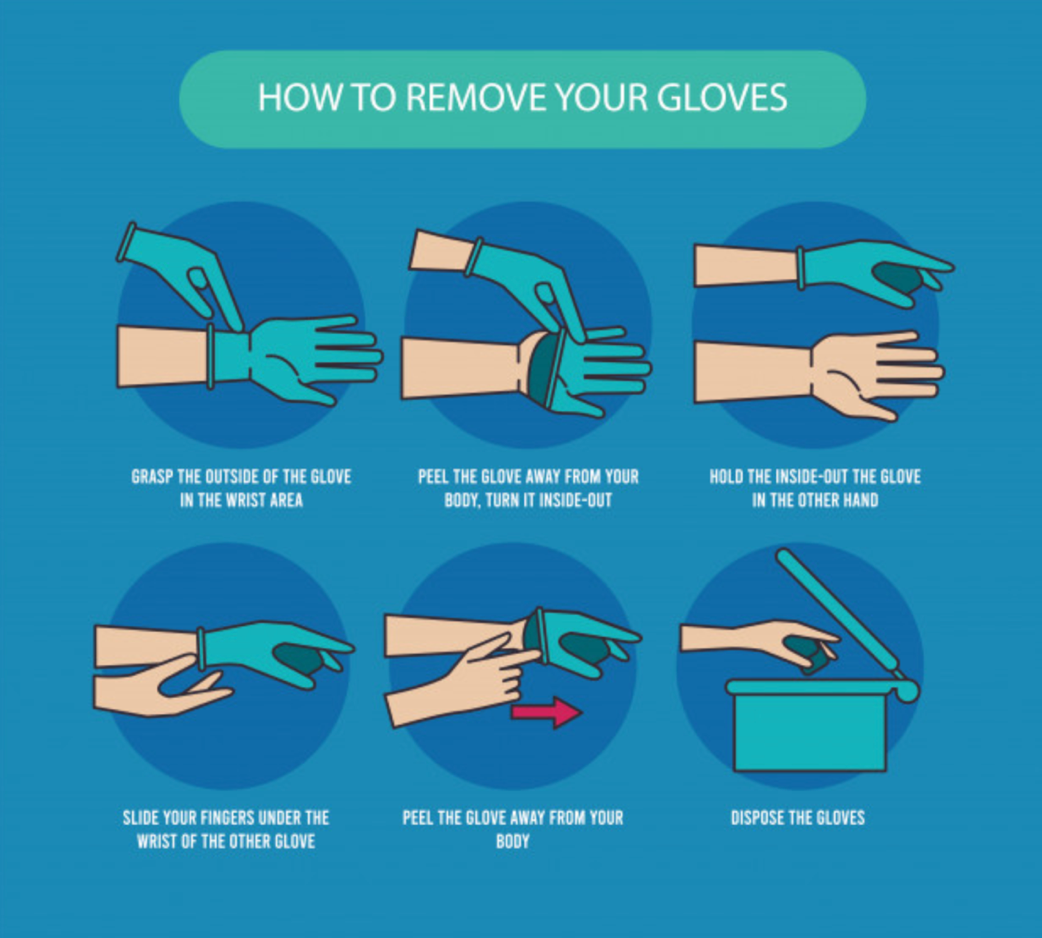
- Powder-free non-latex Gloves that must be changed for each new client.
- Disposable aprons.
- Face Masks
- Eyewear (optional)
Some therapists like to wear eye protection, although the risk is very low from spillages or splashes. However, a new apron, facemask and gloves should be worn before each new client.
Salon Hygiene, Health & Safety
➢ The salon should be cleaned thoroughly every day.
➢ The working area must be cleaned before and after every client.
➢ Fresh towels and linen should be used for every new client that has been laundered at a minimum of 60°C.
➢ Couch roll, disposable plastic sheeting or waterproof bed sheets need to be used to protect the couch and keep the area as clean as possible.
➢ Products should be dispensed from purpose-specific pump or spray bottles. Creams can be removed from jars or bottles with clean spatulas.
➢ Replace all lids on products securely after use.
➢ All tools that are non-disposable should be sterilised prior to use.
➢ Bins should be metal and have foot pedal operations and be emptied every day. Bins should be collected by an appropriate commercial waste disposal company.
➢ All fire exits should be clearly marked and accessible at all times.
➢ Read all labels and follow manufactures instructions.
➢ Know the hazardous warning signs on products.
➢ Store products safely and in accordance with safety data sheets.
➢ Ensure equipment is placed on a sturdy surface and cannot fall off.
➢ Check wires and plugs regularly on any electrical equipment. Ensure electrical equipment is PAT tested annually. Faulty equipment should not be used.
➢ A first aid kit that complies with the Health and Safety (First Aid) Regulations 1981.
Appearance of the practitioner
A therapist should ensure that they look well presented at all times. Therapists will be working in close contact with a client, and it is important that a professional image is observed.
A therapist should:
➢ Wear clean, freshly laundered and ironed uniform each day.
➢ Wear clean, flat, closed-toe shoes.
➢ Have short, clean, manicured nails.
➢ Have a fresh breath.
➢ Wear antiperspirant.
➢ Apply modest makeup for a natural look.
➢ Wear hair up and away from the face.
➢ Wear minimal jewellery.
Professional Ethics and Standards of Practice
Practitioner should:
➢ Maintain the highest possible standards of professional conduct.
➢ Always be courteous and show respect for clients, colleagues and other professionals.
➢ Never gossip or criticise another therapist, salon or brand.
➢ Never talk across a client to another member of staff.
➢ Not to engage in conversations about politics, religion or race that may cause offence.
➢ Maintain a good reputation by setting an example of good conduct in all your communication with clients, team members and visitors to the business.
➢ Ensure to make the treatment or service special for every client.
➢ Respect client confidentiality.
➢ Explain the treatment to the client and answer any questions and queries prior to carrying out the treatment.
➢ Treat all clients in a professional manner at all times regardless of their race, colour, religion, sexual orientation or ability.
➢ Not to treat minors or clients with limited mental capacities, such as those with Alzheimer's or dementia without prior written consent from a parent or carer.
Practising good ethics is essential for the reputation of the therapist and the welfare of the clients. The following is an example of standards and ethics for therapists:
➢ Conduct yourself in a professional, honest and ethical manner.
➢ Promote professionalism
➢ Establish a treatment plan with your client and evaluate the outcome at the end of every session.
➢ Truthfully represent your credentials, qualifications and education, experience, training and competence relevant to practice.
➢ Maintain the confidentiality of the client.
➢ Take a full medical history of the client and ensure that they are suitable for treatment and the treatment is the best solution for their concerns.
➢ Give full aftercare advice.
Precautions Taken in the Salon to Prevent Contamination and Cross-Infection
Hands
Wash with soap/disinfectant and warm water before and after each client—dry hands with a paper towel or blower.
Surfaces
Wipe over with disinfectants, e.g. Alcohol, Surgical spirits.
Treatment of Wounds
If the skin bruises or bleeds after the insertion of a needle, a small pad of dry cotton wool should be used over the area to cover it and apply pressure until the bleeding stops. Apply aftercare solution to the area and work in a different area. The same applies to extractions or any other form of skin piercing. Use disinfectant to clean area.
Disposal
Sharp metal instruments, e.g. needles, lancets, should be placed in a sharps box after use. When the box is about 3/4 full, it may be disposed of by special arrangement. Usually collected by local health office and incinerated at a local hospital.
Metal Instruments
Sterilised before and after each client in Autoclave or in Glass bead steriliser, and wipe with Chlorhexidine Gluconate or Methylated spirits.
Skin Preparation
Do not use sharp or pointed instruments on or at least near areas of a client's skin that are obviously diseased, infected or inflamed. Except in facial treatments during the extracting phase (a tile with a lancet and cotton wool dampened with methylated spirits and an antiseptic solution containing Chlorhexidine Gluconate must be prepared, hands should be washed before and after extractions and finger cots or gloves must be used).
Cuts on your Hands
Cover existing wounds with a waterproof dressing, wash fresh cuts and encourage bleeding under running water and then cover with a waterproof dressing. Clean with an antiseptic. Always have a box of plasters/waterproof dressing available. No salon should be without a first aid kit.
Needles
Do not test needles on yourself. Test needles on a damp of cotton wool held with tweezers. Needles should only be used once, and needles must not be used on more than one client.
Creams
Tubes are better than jars. Always use a spatula to obtain creams from containers. Never use fingers and always close a container after use. Excess product must not be returned to containers.
Blood
Anything that has come into contact with blood must be disposed of in the correct manner. Pay attention to the following: Hands, lancets, tweezers, surface, disposal gloves, bin liners, cotton wool or gauze and needles)
Colds/Flu
Wear a surgical mask. Wash your hands regularly, especially after sneezing or blowing the nose. Also, wash hands in general after touching other surface areas. General advice - stay at home when feeling ill or send employees home if they develop cold/flu symptoms at work.
Waste Bins
Bin liners. Emptied regularly. Bins should have lids.
Gloves
Surgical gloves can be used, e.g. epilation or, to prevent contamination. Used always when performing any procedure that breaks the skin and any action that may come into touch with blood.
Instruments
Must be cleaned, sanitised and sterilised or where appropriate disposable tools should be used.
Sterilisation Methods
Autoclave
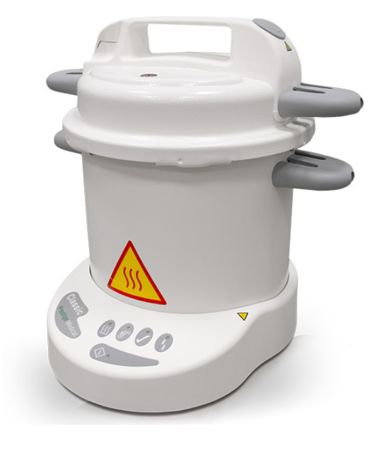
- Works like a pressure cooker.
- Consists of 2 chambers. Water in the lower chamber and instruments on the upper chamber.
- The principle of sterilisation is moist heat.
- The water boils in the lower chamber and steam is released towards the upper chamber. Instruments are left in the unit for 10 - 20 min. Afterwards, instruments must be placed in a sterile and clean container.
- The moist heat autoclave operates at 121°C and is considered a very effective means of sterilisation.
- Other types available, e.g., dry heat autoclave, vacuum autoclave, flash instrument autoclave.
- The time and temperature of dry heat autoclave is 160°C (320°F) for 2 hours or 180°C (356°F) for one hour.
- Consult manufacturer's instructions and local government laws and regulations on sterilisation times and temperatures.
Advantages of an Autoclave
- Economical and very effective
- Non-toxic on instruments
- Easy to operate
Disadvantages of an Autoclave
- Sharp instruments can become blunt.
- Metal instruments might rust. Recommend use of stainless-steel instruments.
- Expensive
- Plastic instruments will be damaged.
- Autoclaves will need to be kept clean.
- Regular servicing and calibration are required of the device.
Glass Bead Steriliser
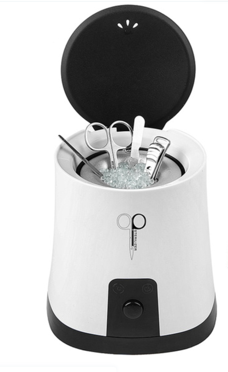
▪ Operates at approximately 300°C.
▪ Metal instruments will thus be completely sterilised within minutes.
▪ Only the parts covered with beads will be sterilised.
▪ The unit takes + 20 - 30 minutes to warm up before sterilisation can take place.
▪ If more than one instrument is placed in the container, a longer time must be added for sterilisation.
▪ Consult manufacturers` instructions and local government laws and regulations on sterilisation times and temperatures
Wet Sterilisation (Chemical)
Asepsis can be obtained by washing down all surfaces, walls, floors, treatment beds, tiles, trolleys, work surfaces, basins etc. after basic cleaning with an antiseptic solution. EG: Antiseptic solution concentrates, diluted according to manufacturers' instructions. Towels can also be disinfected in this method. If metal tools are sterilised by this method, the liquid must contain a rust inhibitor.
UV Cabinet
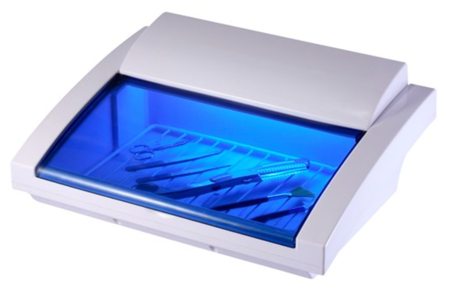
- They are used for the maintenance of your sterilisation process.
- Basically, used as a storage unit.
- They are not used for sterilisation only for sanitation.
- This cabinet will keep your item as clean as it was when you first inserted it.
Antiseptics and Disinfectants
Antiseptic
A diluted disinfectant that is safe to apply to the skin. Its' task is to slow down multiplication, growth and in some cases may destroy/kill micro-organisms if the strength of the solution is correct, e.g. some soaps (hands), alcohol and hydrogen peroxide etc.
Disinfectant
A chemical agent which destroys or kills all micro-organisms. Safe to apply on surfaces but too toxic to be applied directly onto the skin, e.g. Quaternary Ammonium compound/Quats, formalin, ethyl or grain alcohol.
Ergonomics
Posture is important, whether you are sitting or standing up to do a treatment. Try to find a working position that is comfortable for you and reduces the need to lean over to just one side.
Using height adjustable treatment couches and chairs. Choose a height that reduces your need for bending over the client. Ideally, your back should be at a 90-degree angle. Your chair should be comfortable to avoid pressure point sores or injury.
Try to avoid twisting the neck, keep your head upright and keep your shoulders relaxed.
Never ignore pain; look at ways to alleviate the symptoms. If you cannot take a break during treatment, then you can adopt gentle stretching techniques.
Repetitive strain injuries can be caused by using the same movements over and over again. Try to avoid repetitive flexing of the wrist and instead alternate by bending elbows or shoulders instead. Equipment should feel comfortable in your hand and have as minimal vibration as possible.
Storage
➢ Make sure you receive a copy of Material Safety Data Sheets (MSDS) from your suppliers.
➢ All staff must be trained on the use of products and equipment.
➢ Training manuals and information leaflets should be accessible to all staff.
➢ Store your products correctly by following the guidance on the MSDS.
➢ Carry out a risk assessment on each product or COSHH report if required.
➢ Keep products in original containers where possible and ensure any decanted products are fully labelled in smaller, purpose-built containers.
➢ Keep all flammable products out of direct sunlight and at room temperature or below.
➢ Mobile therapists must make suitable travel arrangements to avoid spillage and ensure safe working practice and be professional in appearance.
Insurance
There are several types of insurance that are potentially relevant to you as a therapist. The most important is the 'Professional Indemnity Insurance' and 'Public Liability Insurance'. Both of these are necessary in the unlikely event that a client decided to sue you.
Public Liability Insurance - This covers you if a member of the public, i.e. a client or passer-by is injured on your premises or if their personal property is damaged in any way.
Professional Indemnity Insurance - This protects you should a client decide to sue you claiming personal injury or damage as a result of treatments carried out by you.
Employer’s Liability Insurance - This is only necessary if you hire others to work for you. This type of insurance would cover you should a member of your staff have an injury on your premises.
Product Liability Insurance - This insurance is important if you plan to use, manufacture or sell products as part of your business. This will protect you in the event that a client is dissatisfied with the product or experiences a reaction to using the product.
Car Insurance - If a car is used for business purposes, ensure that this is covered by the policy and that theft of equipment is included.
Aesthetics Health & Safety
Advertisements on Prescription-Only-Medication (POM) Treatment
New enforceable guidelines for advertising Prescription-Only-Medication such as Botulinum Toxin or Vitamin Injections such as B12, C & D came into effect on the 31st January 2020. This is regulated by the Committee of Advertising Practice (CAP), who will use specialist new monitoring technology to discover non-compliant ads and take action. One such outcome may be the reporting of specific ads or posts on social media platforms like Instagram.
The Advertising Standards Authority (ASA) was established in 1963 as an industry watchdog to monitor and adjudicate any breaches of the British Code of Advertising Practice (CAP Code) with the primary objective of protecting the public from inaccurate, inappropriate, or misleading adverts, whether online, in print or via broadcast.
Any promotion of a POM to the public is a breach of the CAP Code and an offence under the Human Medicines Regulations 2012.
Code 12.12 of the CAP states that "Prescription-only medicines or prescription-only medical treatments may not be advertised to the public."
Administration of Prescribed Products
The Medicines and Healthcare products Regulatory Agency (MHRA) states that any person can administer certain prescribed products, i.e., Botulism Toxin, in accordance with the guidance of an appropriate practitioner. This means that according to the MHRA, Non-prescribers and non-medics can administer procedures using prescribed products following instruction from either a doctor, dentist, or appropriately qualified independent prescriber.
Beyond the administration of these products, they are prescribed drugs, and therefore there are strict guidelines as to who can prescribe the medication. Prescriptions should only be issued after adequately assessing the client and giving client-specific instructions (ideally written). Non-medics or nurses are not allowed to prescribe these products for use, but if they have been given a prescription with specific instructions by the prescriber for the client, then the non-medic or nurse may administer the treatment. Prescriptions should not be done remotely as most products used are being used 'off-label' for non-essential purposes. The client should be seen in person by the prescriber.
Remote prescribing of Botulinum Toxin is now banned under the NMC, GMC, and GDC and absolutely should not be considered as an alternative to a face-to-face consultation.
In general, products required cannot be supplied in advance but on a per-client basis. However, the MHRA does state that doctors can supply advance stocks to 'nurses and others who are employed within the same legal entity. Even though the items can be supplied in advance stocks under these circumstances, client-specific advice must still be given to the person administering the procedure.
It is important to note that the manufacturers of many products used in aesthetic procedures state that the treatments should be administered by medical practitioners. Non-medics should consider these guidelines carefully and ensure they have the correct and appropriate training and professional indemnity insurance in place.
Medications are intended to be for the person in which they are prescribed too and should be administered as such. Full records should be kept for up to 6 years, including the prescriptions and batch numbers and full details of the treatments and outcomes.
Storage of Medicines
Practitioners should know how to correctly store the products they use and administer to clients at their clinics, and this includes the use of a dedicated medical fridge.
There are several reasons for this.
Storing products at the correct temperature:
Many of the products used in non-invasive cosmetic procedures must be stored within a certain temperature range. For Botulinum Toxin, this is between +2°C to +8°C.
The only way to accurately maintain this temperature range is by using a dedicated medical fridge, which provides unrivalled levels of temperature control and monitoring.
This is achieved by using special thermometers that can measure the temperature inside the fridge as well as the temperature of the products that are being stored.
They are also fitted with alarms that will be triggered to make noise if the temperature falls outside of the required range, allowing practitioners to intervene and save products from damage.
Added security:
Dedicated medical fridges provide greater levels of security than standard domestic fridges as they can also be locked to prevent any unauthorised access.
They can have either a glass or solid door. The former allows practitioners to look inside the fridge without the need to open the door and risk a rise in temperature.
The latter provides added security as people cannot see what is being stored inside the fridge, mitigating the risk of theft.
How to store products in a medical fridge:
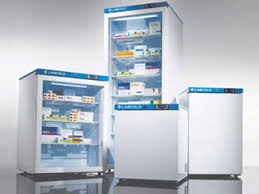
In order for the medical fridge to be work to its best ability, practitioners must store products in a certain way. This includes:
- Leave 1cm of space between products
- Ensure products do not touch the back of the fridge
- Ensure the fridge is never more than 75% full
- Clean the outside of the fridge daily
- Clean the inside of the fridge twice a month
Practitioners should also conduct a weekly stocktake of the products that are being stored inside the fridge and ensure that products with the shortest shelf life are at the front and used first.
Temperature monitoring is the key to correct storage:
It is good practice if practitioners monitor and log the temperature of their fridges to ensure they do not fall outside of the minimum/maximum range.
Temperature logging should be done by a qualified and experienced practitioner at least once per day. They should record min, max and current temperatures on a log and sign their name against it.
If the temperature has fallen outside of the range at any point during the day, they must intervene and take the necessary action to ensure the products inside remain safe to use.
How to choose the right medical fridge for your needs:
There are medical fridges to suit every requirement. When thinking about which best meets your needs, you will need to consider the following:
- The space you have available
- The amount of product you need to store
- Your budget
- Whether you require a glass door or a solid door
Disposal of Medicines
All clinics should have a written policy for the safe disposal of surplus, unwanted or expired medicines.
Disposal of waste is subject to legislation and regulated by the Environment Agency. You might need to dispose of medicines when:
- a person's treatment changes or stops
- Safely dispose of remaining supplies (with the person's consent where possible).
- the medicine reaches its expiry date
- Make sure you read about expiry dates in the product information leaflet. Some medicines expire before their' use by' dates because you've opened the packaging. Other expiry dates are shortened if they're removed from controlled temperature storage.
Risk
Clinics must dispose of unwanted medicines appropriately to avoid placing people who use services at risk.
Examples
A person who is no longer a client has previously prescribed medication. You must not administer medicine to a person if it was prescribed to another person.
A prescriber has stopped prescribing a medicine. If you continue to administer the medicine, you could place people at risk.
If you administer medicine beyond the expiry date, the product could have chemically changed. This may make it clinically ineffective or could cause actual harm.
Process
You should record the process for disposing of medicines in your medicines policy. Store medicines for disposal securely and separately to in use medicines. Control access until they are collected or taken to the pharmacy. Do not dispose of medicines on-site through the sewage system.
NICE SC1 says, "Medicines for disposal should be stored securely in a tamper-proof container within a cupboard until they are collected or taken to the pharmacy."
You should dispose of medicines by returning them to the supplier. This would usually be the community dispensing pharmacy. The supplier should dispose of the medicines in line with current waste regulations.
Keeping records
You must keep records to ensure that medicines are handled properly during disposal. Records could include:
- date of disposal or return to the pharmacy
- name and strength of the medicine
- quantity removed
- the person for whom medicines were prescribed or purchased
- signature of the member of staff who arranges the disposal of the medicines
- signature of the person collecting the medicines for disposal
Providing consultations for aesthetic procedures using prescribed products
It is important to ensure that a full consultation is undertaken prior to any procedure, and the client is aware that:
- The product used requires a prescription, and that the medicine is used off-licence.
- Treatments provided are done so on a cosmetic basic only and not on the basis of improving health.
- Clients should seek the advice of their GP if they are seeking a procedure for improving any aspect of their health or quality of life.
- All risks associated with the treatment.
- Treatments must be maintained or kept up to continue to see the results, as well as ongoing costs and outcomes for non-maintenance.
The client will need to fill in the treatment form prior to the procedure and sign the key facts to the risks, aftercare and techniques used.
Before and after photographs must be obtained and kept on record for use at later appointments in the event of a complication or claim.
What information should be recorded:
- Clients name, address, contact number and email.
- Clients medical history
- Signed consent and key facts
- Before and after images
- Details of the prescriber, date of prescription and batch number of products used
- Details of the site/area of administration, mix ratio, units/MLS injected
- Date of review
Working with Sharps
The Health and Safety (Sharp Instruments in Healthcare) Regulations 2013 Prior to the publication of European Directive 2010/32/EU, a framework agreement was developed that brought together a number of existing health and safety requirements in order to make the legal framework to protect workers from sharps injuries more explicit. The UK went down the legislative route, and The Health and Safety (Sharp Instruments in Healthcare) Regulations 2013 came into force on the 11th May 2013.
The regulations apply to employers whose primary activity is to organise, manage and provide treatment to others that involve the use of sharps. Those covered under the act include not only those that undertake the procedure but all others that may come into contact with any sharps, which will include all employees, servicemen and cleaners. The main requirements of the regulations mean Employers need to assess the risk of sharps injuries under the COSHH regulations. Where risks are identified, the regulations require the employer to take specific risk control measures detailed below:
- where the employer has identified a risk, steps must be taken to avoid the unnecessary use of sharps (Regulation 5 (1)(a))
- where it is not reasonably practicable to avoid the use of medical sharps, the sharps regulations require employers to: -
- use safe sharps (incorporating protection mechanisms) where it is reasonably practicable to do so (Regulation 5(1) (b)) –
- prevent the recapping of needles (Regulation 5 (1) (c))
- - place secure containers and instructions for safe disposal of medical sharps close to the work area (Regulation 5 (1) (d)
- Provide information to employees on the risks from injuries, relevant legal duties of employers and employees; good practice in preventing injuries; the benefits and drawbacks of vaccination and the support available to an injured person from their employer.
- Provide appropriate training to ensure employees know how to work safely. The training must cover the correct use of safe sharps, safe use and disposal of sharps, what to do in the event of an injury and the employer's arrangements for health surveillance. (Regulation 6 (4))
- Have arrangements in place in the event of an injury, which includes keeping a record of the incident, investigation of the circumstances of an incident and to take action to prevent a reoccurrence. The HSE advise that records of the incident should include details of the type of sharp involved, at what stage of the procedure the incident occurred and the severity of the injury.
- ensure that injured employees who may have been exposed to a blood-borne virus have immediate access to medical advice; are offered post-exposure prophylaxis or other treatment as advised by a doctor, and offered counselling where appropriate. (Regulation 7 (2))
- Review, at suitable periods, the effectiveness of procedures and control measures (Regulation 5 (2)).
Work practice controls
These controls aim to change the behaviour of workers to reduce exposure to occupational hazards. Examples include:
- no needle recapping or resheathing
- safe construction of sharps containers
- placing sharps containers at eye level and within arm's reach
- disposing of sharps immediately after use in designated sharps containers
- sealing and discarding sharps containers when they are three-quarters full
- establishing means for the safe handling and disposal of sharps devices before the beginning of a procedure.
- Safe storage of full sharps containers, which should be stored in a safe place and carried away from the body with the lid firmly closed.
The Environmental Protection Act 1990
Under this act, anyone that disposes of waste has a duty of care to ensure that waste is disposed of safely. Subjects covered by the Environmental Protection Act 1990 are as follows:
- Waste management
- Noise pollution
- Neighbourhood pollution
- Radioactive substances
- Genetically Modified organisms
- Nature Conservation
Under the Environmental Protection Act 1990 , it is unlawful to deposit, recover or dispose of controlled (including clinical) waste without a waste management licence, contrary to the conditions of a licence or the terms of an exemption, or in a way which causes pollution of the environment or harm to human health. Contravention of waste controls is a criminal offence. Section 34 of the act places people concerned with controlled (including clinical) waste under a duty of care to ensure that the waste is managed properly, recovered or disposed of safely and is only transferred to someone who is authorised to keep it. Householders are exempt for their own household waste.
Hazardous healthcare waste is subject to the requirements of the Hazardous Waste Regulations 2005 . [Extract is taken from Gov.UK website https://www.gov.uk/healthcare-waste 30th June 2014 ]
All commercial businesses must have a waste removal contract with either the council or a private waste removal company. If you produce less than one bin bag full of clinical waste per collection, then you can dispose of clinical waste such as cotton wool and tissues in with a normal waste collection. If you produce more than this per collection, then a suitable clinical waste contract must be obtained.
Sharps Disposal
Anything sharp that could pierce or has pierced skin should be put into the correct category of sharps disposal. We can give you a hand if you're not sure what kind of sharps disposal you need. Any of the below should be disposed of in a sharps bin:
- Needles
- Scalpels
- Stitch cutters
- Glass ampoules
- Sharp instruments
- Shards of bone and teeth
- Syringes
- Lancets
- Razor blades Your Sharps waste needs to be disposed of in a dedicated sharps bin of a suitable size which we will provide you with as part of your contract. From there, it is incinerated. If you're producing hazardous waste, you have a duty of care to ensure that it's housed and disposed of in the most appropriate way.
You will need to employ the services of a specialist waste disposal company that will safely remove your sharps boxes when full, along with any other hazardous waste.
The Reporting of Injuries, Diseases and Dangerous Occurrences Regulations 1995
These regulations are commonly referred to as RIDDOR, and their main purpose is to alert the enforcing authorities to incidents and causes of ill health that may need further investigation. Their second role is to collate statistics and to assist in the implementation of initiatives to reduce accidents in the workplace. If any of your employees or trainees suffer a personal injury at work that results in either;
- Major Injury
- Death
Then you must contact the Incident Contact Centre on 0845 3009923.
Less serious injuries have to be reported using form F2508 available on the HSE website. Less serious injuries include:
- More than 24 hours in a hospital
- Incapacity for more than 7 days.
Other incidences that are reportable include:
- A member of the public or client is injured and admitted to hospital.
- Any member of staff that is injured due to an act of violence that is work-related.
All records of injuries, minor or major, must be recorded in your accident book.
Further guidance can be found on the HSE website www.hse.gov.uk/riddor .
Health & Safety (First Aid) Regulations 1981
Your environmental health officer may ask if you have a completed First Aid training. The HSE recommends that businesses with fewer than 50 staff members should have at least one qualified and appointed First Aider. First Aid courses can last anything from half a day to 3 days. The half-day courses are not usually accredited, so it is highly recommended to at least complete a full day of First Aid training.
These regulations also require that every employer provides equipment or facilities for providing First Aid to their employees. Even if you do not have employees, having a First Aid Kit to hand when required is good practice.
A First Aid box and an eyewash station with single-use pods should be enough, with extra items kept aside for restocking.
First Aid boxes must not include any form of medication. Such as Paracetamol or Ibuprofen
Bloodborne Pathogens
What are bloodborne pathogens?
Bloodborne pathogens are infectious microorganisms in human blood that can cause disease in humans. These pathogens include, but are not limited to, hepatitis B (HBV), hepatitis C (HCV) and human immunodeficiency virus (HIV). Needle sticks and other sharps-related injuries may expose workers to bloodborne pathogens. Workers in many occupations, including first aid team members, housekeeping personnel in some industries, nurses and other healthcare personnel, may be at risk of exposure to bloodborne pathogens.
What can be done to control exposure to bloodborne pathogens?
In order to reduce or eliminate the hazards of occupational exposure to bloodborne pathogens, an employer must implement an exposure control plan for the worksite with details on employee protection measures. The plan must also describe how an employer will use a combination of good work practice and ensure the use of personal protective clothing and equipment, provide training, medical surveillance, hepatitis B vaccinations, and signs and labels, among other provisions. Engineering controls are the primary means of eliminating or minimising employee exposure and include the use of safer medical devices.
AIDS – Acquired Immune Deficiency Disease:
AIDS is caused by a human immune-deficiency virus (HIV). The virus attacks the body’s natural immune system and makes it vulnerable to infections, which will eventually cause death. Some people are known to be HIV positive, which means that they are carrying the virus without any symptoms of AIDS. HIV carriers are able to pass on the virus to someone else through infected blood or tissue fluid, for example, through cuts or broken skin. The virus does not live for long outside the body.
Hepatitis B:
Hepatitis B is a viral infection that attacks the liver and can cause both acute and chronic disease. The virus is most commonly transmitted from mother to child during birth and delivery, as well as through contact with blood or other body fluids, including sex with an infected partner, injection-drug use that involves sharing needles, syringes, or drug-preparation equipment and needle sticks or exposures to sharp instruments.
As of 2016, 27 million people (10.5% of all people estimated to be living with hepatitis B) were aware of their infection, while 4.5 million (16.7%) of the people diagnosed were on treatment. According to the latest WHO estimates, the proportion of children under five years of age chronically infected with HBV dropped to just under 1% in 2019, down from around 5% in the pre-vaccine era ranging from the 1980s to the early 2000s.
Hepatitis B can be prevented by vaccines that are safe, available and effective.
Hepatitis C:
Hepatitis C is a liver disease caused by the hepatitis C virus (HCV): the virus can cause both acute and chronic hepatitis, ranging in severity from a mild illness lasting a few weeks to a serious, lifelong illness.
The hepatitis C virus is a bloodborne virus: the most common modes of infection are through exposure to small quantities of blood. This may happen through injection drug use, unsafe injection practices, unsafe health care, transfusion of unscreened blood and blood products, and sexual practices that lead to exposure to blood.
Globally, an estimated 71 million people have chronic hepatitis C virus infection. A significant number of those who are chronically infected will develop cirrhosis or liver cancer.
There is currently no effective vaccine against hepatitis C; however, research in this area is ongoing.
Dealing with body fluids:
If blood or body fluids have to be mopped, ensure that disposable gloves, apron and disposable paper are used. All disposable items should then be placed in a yellow plastic sack and destroyed by incineration.
Neat chlorine bleach should be used as the sterilising agent on blood spills. The bleach treatment will destroy the viruses, which will cause AIDS and Hepatitis B.
Anaphylaxis
Some allergies can lead to a severe allergic reaction - known as anaphylaxis. Anaphylaxis can be life-threatening.
Symptoms can occur quickly or within hours following contact with an allergen. Prompt treatment can save a life. If you have an adrenaline auto-injector - use it immediately.
Common causes
Common causes of anaphylaxis are wasp and bee stings as well as food , such as peanuts, nuts, sesame seed, fish and shellfish, dairy products and egg. Other causes include latex, penicillin and some other medications.
For some, fatigue or exercise may cause anaphylaxis - alone or in combination with other triggers like food or medication. Cold can also be a cause. In rare cases, a reaction can occur without apparent cause.
Symptoms
- Itching, especially under the feet, in the hands or on the head
- A stinging feeling in the mouth
- Swelling in the mouth, throat, lips or eyes
- Itching, redness or nettle-rash anywhere on the body
- Dizziness, anxiety, cold sweating
- Abdominal pain, nausea or vomiting
- Shortness of breath or asthma symptoms
- Sudden fatigue, decreased blood pressure or fainting
- Disorientation or loss of consciousness
Critical symptoms: difficulty to breath, mouth and throat swell, sudden fatigue or dizziness, experiencing a steady worsening of symptoms. If your client experiences these critical symptoms, inject adrenaline immediately. Call 999 and say “anaphylaxis”.
Treatment
Adrenaline is the first-line treatment for anaphylaxis. If you have an adrenaline auto-injector - use it immediately. Adrenaline injected into the outer mid-thigh muscle works rapidly to reduce throat swelling, open up the airways and maintain heart function and blood pressure. It is the only medication available for the immediate treatment of severe allergic reactions.
Antihistamine and steroid tablets . Antihistamine reduces hives, itching and irritation. Cortisone reduces the risk of late-onset reactions that can occur some hours following contact with allergens.
Who is at risk of anaphylaxis?
A person who has previously experienced anaphylaxis - irrespective of cause - is at risk in the future. If the reaction was caused by peanuts, shellfish or fish, it should not be ignored, even if mild. This is especially important if the reaction was caused by peanuts. This is also the case for certain drugs, insect stings or latex. Your doctor will give you essential information and prescribe suitable medication.
When your client suffers from anaphylaxis
Do not underestimate the severity of an allergic reaction. Use your adrenaline auto-injector according to its instructions. If in doubt, use your adrenaline auto-injector - it can save their life. Then lay them down with their legs slightly elevated.
Call 999 and say, “anaphylaxis.” State your name, location and telephone number.
If possible, someone should wait outside to show the ambulance crew where you are.
Let ambulance personnel know about the client’s medical history and treatment undertaken.
Managing Complications
Anyone working in aesthetics or undertaking treatments that break the skin, i.e. injectables or involve the injection of application of a product that could cause an allergic reaction, should undertake appropriate training in managing complications. Training should be taken regularly to ensure you stay up to date with current regulations and feel confident in dealing with any issues that should arise.
Complications training is usually in addition to first aid and anaphylaxis training.
Understanding the array of issues that could be presented from aesthetic procedures will allow you to confidently provide treatments to your clients.
Invasive procedures always carry more risk than other treatments in a salon, and it is important that we are able to identify risk and know how to avoid it.
Emergency Plan
The emergency plan is the responsibility of the regulated independent prescriber. The emergency plan includes the appropriate onsite response, healthcare referral process and access to an emergency kit suitable to deal with adverse reactions or incidents. The regulated independent prescriber has a duty of care to their patients to follow regulatory guidelines set by their Professional, Statutory and Regulated Body.
The client may contact you directly with any issues, and you must also raise any concerns to the prescriber to arrange a care plan for the client.
Why Vitamin B12?
- After water and oxygen, vitamin B12 is the next essential micronutrient molecule vital for health.
- Vitamin B12 deficiency is common and can manifest at any age, and is largely unrecognised.
- Vitamin B12 is crucial for many systems of the body to function correctly.
- Pernicious anaemia is just one illness related to a deficiency in vitamin B12.
- It is believed that vitamin B12 deficiency is not always detectable on blood tests.
- Symptoms such as depression, anxiety and psychosis, as well as the early onset of dementia, are common with vitamin B12 deficiency.
- Causes of B12 deficiency include genetic disorders, poor diet, gastrointestinal illness or surgery, alcoholism and use of antacids.
- Vitamin B12 is non-toxic – even at really high doses.
What is Vitamin B12
Vitamin B12 is the generic name for a group of compounds based on the cobalamin molecule that has cobalt as the trace mineral at its core. Cobalamin is a highly active complex organometallic molecule. It is the largest and most chemically complex of all of the 13 known vitamins and is generally red in colour. Like other B & C vitamins, cobalamin is water-soluble, a characteristic that affects how it is absorbed, excreted and stored in the body. Vitamins A, D, E & K are all fat-soluble.
It is classified as a vitamin as it is an essential nutrient for the human body and is regularly obtained from the food we eat. Like other vitamins, its role is to catalyse or regulate metabolic reactions in the body. Vitamin B12 plays an important role in the body responsible for hematopoiesis (producing all types of blood cells), neural metabolism, DNA & RNA production, and carbohydrate, fat and protein metabolism. It also helps to improve iron function in the metabolic cycle and assists folic acid in choline synthesis.
Vitamin B12 can only be made by microorganisms, such as bacteria and algae if the cobalt mineral is available in the soil or water. The main source for humans to obtain vitamin B12 is from the consumption of meat and fish. The vitamin is made by microbes in the digestive tract of animals, where it is absorbed and deposited into their tissues. As well as meat and fish, vitamin B12 can also be obtained by the consumption of cheese, milk and eggs. There are no known sources of vitamin B12 in plants, although some species of seaweed have been found to contain it. Therefore it is quite common to see vegetarians or vegans present with vitamin B12 deficiencies.
Vitamin B12 is absorbed into our tissues through the digestive tract; however, this process can be disrupted from poor digestion, intestinal disease or the use of some medications etc. The main causes are due to atrophic gastritis and lack of Intrinsic Factor (IF), a glycoprotein produced by the stomach that is required for the absorption of B12. As well as from poor diet and digestion, vitamin B12 deficiencies can also be affected by a genetic condition such as:
- Pernicious anaemia
- Crohn’s disease
- Treatment with proton-pump inhibitors
- Atrophic gastritis
- Coeliac disease
- Use of antacids (acid is required to release B12 from food)
- Gastrointestinal surgery
- Use of certain medications
- Use of illegal drugs and substances, including nitrous oxide
Forms of Vitamin B12
Methylcobalamin
Methylcobalamin is a co-enzyme in the folate cycle leading to DNA synthesis and in the interlinked homocysteine- methionine cycle. By extensions, it affects DNA methylation and supply of S-adenosyl methionine (SAM), impacting on nerve Schwann cell insulation, hormone management and immune system management. It can be manufactured and can be injected or taken in an oral tablet form.
Methylcobalamin is a biologically active form that is used to transfer methyl groups from one molecule to another in cells and so assist with lipid metabolism and the regulation of DNA (gene switching on and off or epigenetics). The Methyl- (CH3+) group is exchanged in many biological reactions. For example, in the interaction between B12 and folate (vitamin B9), B12 takes a methyl group from folate, allowing the folate cycle to complete, leading to the correct synthesis of DNA.
Methylcobalamin appears to be the most important active form in the cell cytoplasm. However, in at least one organelle with the cell, the mitochondria, the most important active form appears to be Adenosylcobalamin.
Adenosylcobalamin
Used in the Krebs cycle, the sequence of reactions by which most living cells generate energy during the process of aerobic respiration. It takes place in the mitochondria, using up oxygen and producing carbon dioxide and water as waste products, and ADP is converted to energy-rich ATP
It appears to be the active form of B12 in ‘active b12’ (holotranscobalamin) in blood serum. It can be manufactured and can be injected or taken in an oral tablet form.
Adenosyl-, is the active group attached to the reactive site of B12.
Adenosylcobalamin needs particular conditions, a particular pH, and accompanying electrolytes to become soluble. It is usual to take Adenosylcobalamin in oral tablets rather than by injection. It is often sold as an athletic performance enhancer because it increases energy and enthusiasm.
Hydroxocobalamin
A stable form of commercially manufactured cobalamin, which converts easily in the human body into methylcobalamin and Adenosylcobalamin.
An artificial form of vitamin B12 is rapidly converted to both of the biologically active forms. Hydroxocobalamin is the form of B12 used in injections in the UK and the most usual form or B12 recommended by the B12d.org charity.
Hydroxocobalamin has a hydroxy- (OH-) group attached to the cobalt atom. The hydroxy- group is extremely soluble and releases the B12 rapidly, which frees B12 to interact with other biochemicals.
Cyanocobalamin
A highly stable form of commercially manufactured cobalamin. Whilst the majority of humans can convert cyanocobalamin into an active form of B12; a proportion is not able to make use of cyanocobalamin because the molecule is too stable, and the molecule is rapidly removed from the body by the kidneys because it is recognised as B12 + Toxin molecule.
The cheapest form of B12 available and a very stable form, produced through an industrial process by combining B12 with cyanide (poison). The main disadvantages of this type of cobalamin are that it is lost from the body very quickly.
History of the discovery of vitamin B12 in brief
- 1824-1926 James S. Combe (1796-1883) of Edinburgh described a deadly wasting disease.
- Medical reports described a wasting disease among people not obviously suffering from starvation or nutritional deficiency.
- Thomas Addison (1793-1860) made an association with a neuropsychiatric disorder.
- In 1872, Anton Biermer of Switzerland (1827-1892) gave the illness the name ‘pernicious anaemia’ because it was always fatal.
- Symptoms identified included megaloblastic red blood cells and plaques in the spinal column (post mortem).
- In 1910, American physician Richard C. Cabot (1868-1939) presented a natural history of the disease for 1,200 patients. Only six were in remission. The remainder only survived one to three years after developing symptoms.
- By the 1920s, government sources reported 10,000 unexplained deaths each year in the US alone, with similar symptoms.
- Haematologists considered this to be a haematological condition, and the progress in identifying the cause and developing treatment was delayed.
- The depletion of red blood cells was considered the most important aspect of the illness until more modern investigations were undertaken.
- 1926-1979
- An accidental discovery of the liver diet in 1926 by George R. Minot and William P. Murphy was developing a more integral multi-dimensional view of disease.
- They discovered that the liver diet could cure the deadly disease.
- They were studying a cure for anaemia in dogs and had already discovered that a liver diet helped bleeding dogs recover more quickly (dogs were deliberately bled to give an artificial anaemia effect).
- They tried the diet on adults who presented with pernicious anaemia and found a similar recovery.
- The disease and death from the disease must have been widespread at the time as they were awarded the Nobel Prize for Physiology & Medicine in 1934 for their discoveries concerning liver therapy in cases of anaemia.
- The actual factor that cured the disease was not known, liver was readily available, and many people benefitted.
- People would also undergo extremely painful injections of half a litre of liquified liver monthly.
- In 1929, the haematologist William Bosworth Castle (1897-1990) discovered that a gastric component he called ‘Intrinsic Factor’ IF was missing in pernicious anaemia.
- In the 1940s, Vitamin B12 had been identified as the active factor in curing pernicious anaemia.
- In 1948 the ‘extrinsic factor’, that is, vitamin B12 was isolated in crystalline form as cyanocobalamin from the liver by two independent scientific teams.
- B12 was associated with neurological problems, including multiple sclerosis-like presentations, and problems with absorption had been connected with the failure of the stomach to produce acid.
- 1979- Present Day
- Widespread refusal to accept that vitamin B12 deficiency exists. Perhaps by pharmaceutical companies that have nothing to gain by people becoming well.
- Patients can fail the test for B12, despite showing all the symptoms.
- Criteria are set that only extreme cases of B12 deficiency are diagnosed and treated.
Deficiency prevalence and the manifestation
The 1926 figure of 10,000 deaths per year in the US suggests that vitamin B12 was a serious problem. In a population of 117 million, at least 0.5% would have been given vitamin B12 deficiency as the cause of death. The majority of others that had B12 deficiencies may not have had as severe symptoms of rapid muscle wastage and death that lead to a post-mortem diagnosis. Many would have died from other causes such as falling to sleep whilst working machinery, autoimmune disease, starvation due to their inability to work or other neurological conditions.
The true prevalence of vitamin B12 deficiency today is not known. This is because studies may be more focused on specific groups such as vegetarians.
A recent World Health Organisation (WHO) technical consultation on folate and vitamin B12 deficiencies noted that B12 deficiency had the potential to be a worldwide public health problem that could affect millions of people.
In the UK, the nutritional status of the population is assessed through the National Diet and Nutrition Survey (NDNS) rolling programme, begun in 2008, funded by the Public Health England (PHE) and the UK Food Standards Agency (FSA). This is done on a small representative sample of just 1000 people and a very low cut off point for serum B12 of 150 pmol/L. A deficiency rate of 6% of the population under 60 in the UK is suggested; however, this will probably be far higher.
Vitamin B12 deficiency can occur at any age but is more prevalent in the elderly due to malabsorption issues. The range of B12 deficiency in this age range is thought to be between 5-40%.
The body systems where B12 is important
Vitamin B12 plays a key role in many-body systems and organs, and this list is increasing. It is needed for energy production through the Krebs Cycle, for the synthesis of DNA via the folate cycle, which affects trillions of cells in the body, and for the expression of genes through epigenetic processes. It affects the proper functioning of the nervous and peripheral systems, mood and cognitive functions and the formation of blood in the bone marrow, skin and mucous membranes, bones, the glandular system, the immune system, the digestive system, fertility and pregnancy and development of the embryo.
Vitamin B12 deficiency consequently manifests as a wide range of different symptoms, some of which appear to be unrelated or may even be misdiagnosed. B12 is fundamental to animal life and metabolism that the symptoms are also widespread.
B12 is responsible for:
- Manufacture and normal function of blood cells.
- It rapidly divides all cells from epithelial cells to bone marrow cells.
- Energy production through the Krebs Cycle.
- Metabolism of fats, carbohydrates and proteins.
- Nerve cell conduction.
- Neurotransmitters.
- Endocrine systems.
- Immune systems.
- Conversion of homocysteine to methionine, then to SAMe (mood enhancing) and amino acids, with effects on many metabolic processes.
- Correct synthesis and transcription of DNA.
- Removal of toxins.
Illness and conditions linked to B12 deficiency
Neuropsychiatric disorders
The earliest symptoms of B12 deficiency and include:
- Irritability
- Mood swings
- Confusion
- Forgetfulness
- Fogginess
- Psychosis
- Hallucinations or delusion
- Depression
- Anxiety/Panic attacks
- Tension headaches
- Onset of dementia
Neurological disorders
- Chronic Fatigue Syndrome (CFS)
- Myalgic Encephalomyelitis (ME)
Autoimmune disorders
Autoimmune disorders take many forms; they include overactive immune system disorders when the body’s immune system attacks and destroys its own tissue and underactive system disorders when the body’s defence against disease is reduced. Such disorders are frequent with vitamin B12 deficiency. The list includes:
- Addison’s disease
- Amyloidosis
- Ankylosing spondylitis
- Coeliac disease
- Crohn’s disease
- Dermatomysositis
- Graves’ disease
- Guillain-Barre syndrome
- Hashimoto’s thyroiditis
- Multiple sclerosis (MS-like presentation/SACD (subacute combined degeneration))
- Myasthenia gravis
- Pernicious anaemia/B12 deficiency
- Reactive arthritis
- Restless leg syndrome (RLS)
- Rheumatoid arthritis
- Sjogren’s syndrome
- Systemic lupus erythematosus
- Type 1 diabetes
- Ulcerative colitis
Many of the above conditions have overlapping symptoms, for example, fatigue, general ill-feeling, joint pain and rash. Many of these conditions cease to exhibit their symptoms once vitamin B12 balance is restored in the body.
How vitamin B12 deficiency is diagnosed
The traditional way of diagnosing vitamin B12 deficiency has been with a serum B12 blood test to determine the patients B12 levels as well as the presence of any signs or symptoms of pernicious anaemia. The problem with this is that many sufferers of a B12 deficiency may not have anaemia or have a serum B12 blood level within an abnormally low range in accordance with the ‘normal’ ranges set. There are no national or international agreements of what a normal range is. The tests can also give false readings where they do not assess the bioavailability of the B12 or whether it is functional of not.
It is, therefore, better practice to look for trigger symptoms and undertake a one-minute health check to see if a client will benefit from B12 injections.
Key triggers or symptoms of vitamin B12 deficiency are:
- Tiredness
- Depression
- Hair loss
- Pins & needles
- Numbness in the hands or feet
- Tremors or palsies
- Palpitations
- Recurrent headaches
- Dizziness
Client Consultation
A client consultation is a one to one talk with your client. During this time, you will find out very important and confidential information that will allow you to advise and provide the best treatment for the client.
It is important to always introduce yourself to the client as this removes any barriers and relaxes them. Consultations should always be undertaken in a private room or area where you cannot be overheard by others.
A client should first fill out a client consultation which helps identify any contra-indications that may mean you have to alter the treatment or be unable to treat them at all. If their form shows no reason why they cannot proceed with the treatment, then you can move onto verbal questioning.
Verbal questions would be to establish why the client has visited the salon and what their expectations and outcome of the treatment may be. Asking what they want ensures you can provide customer satisfaction as the client should be pleased with the outcome of their treatment. It is good practice to speak to the client in front of a mirror and explain the treatment to them and see if that meets their requirements.
Once you have established what the client is after, then a physical examination should be undertaken. This allows you to further check for any undeclared contra-indications and get a better overview of any issues that you may face during the procedure.
Allow around 15 minutes for the client's first salon visit. Ideally, you should sit face to face or next to the client to create an open atmosphere. Avoid barriers such as a couch or table between you.
Use open questions to tactfully encourage the client to give you information that you may need rather than using interrogating questioning techniques. Use the consultation form to work from and record anything you may discuss.
Record Keeping
Records must be maintained and updated for a number of reasons.
- They provide contact details in case you need to alter or cancel an upcoming appointment.
- So that you can track client’s progression.
- To record the products used and timings so you can use these at further visits and adjust the treatment plan if required.
- Tracks any aftercare you provide the client.
- Records patch test history.
- As a backup in case, the client has an adverse reaction to treatment.
- For legal reasons if the client brings a claim against you.
Client records can be stored electronically or filed away manually and should be updated at every visit. If consultation forms are not updated and do not contain a history of services and dates, then you may find your insurance invalid.
Forms should be kept for the timeframe suggested by your insurance company. This may be for up to six years. If a client is under 21 at the time of service, then it is recommended to keep the forms for six years past their 21 st birthday.
Client confidentiality must be protected at all times. Forms need to be locked away in a secure cabinet, and electronic records should be held on a password-protected computer. You may also need to register with the ICO as a data controller.
- All information must be accurate and necessary for the service or treatment being performed.
- Individual client records must be available for the clients to view if requested.
- Data should not be passed on or sold without the client’s prior written permission.
The following details should be recorded on the client consultation form:
- Personal details – name, address, contact details
- Results of any patch tests
- Contra-indications
- Contra-actions
- Reasons for the treatment
- Any reactions to treatments/previous treatments
- Home care advice/suggested retail items.
- Any sales
- Treatment timings/products used etc.
- Next appointment or recommendations
Any contra-indications and possible contra-actions should be identified and discussed prior to the treatment. In the case of a medical referral, the therapist should keep a copy of the GP's letter with the client's record card.
Consultation forms must be signed and dated to prove that you have covered everything and given the correct advice and treatment plan.
B12 Safety
Experience has shown that vitamin B12 is completely safe at any concentration in the diet and in the blood.
The non-toxicity of Vitamin B12 is confirmed by the US National Institute of Health Office of Dietary Supplements, which states that the US Institute of Medicine (IoM) has not established an upper limit for B12 ‘because of its low toxicity.’ The IoM states that ‘no adverse effects have been associated with excess vitamin B12 intake from food and supplements in healthy individuals.
The European Food Safety Authority (EFSA) states that the European Committee on Food (SCF) has concluded that ‘it is not possible to derive an upper intake level, mainly because no clearly identified adverse effect could be identified’.
Dosing
Standard treatment is to give a loading dose of intramuscular injections of 1mg per 1ml ampoule of hydroxocobalamin on alternative days for two weeks, then injected once every three to four weeks.
Vitamin B12 injections are a nutritional supplement and not a medicine. With proper use of sterile technique, there should be minimal to no risk. It is usual to inject into the muscle (intramuscular -IM). This is because B12 is water-soluble and flows into the fluids surrounding the cells of the muscle. It is therefore easily transferred into the bloodstream from an IM injection.
Injection into the subcutaneous layer is not effective like it is with fat-soluble vitamins. Injecting into the subcutaneous layer can leave a red mark on the skin, which may be due to the red colour of vitamin B12 being trapped in the fatty tissue.
Withdrawing treatment
It is important that the client is made aware that stopping further vitamin B12 injections may cause a quick relapse back to their original symptoms.
What to expect post injection
- Within hours
- Enjoyment of friends
- Sociability
- Mood improvements
- Within a day
- Fatigue lessens (although this can sometimes take some weeks)
- Become more sociable
- Within a week
- Brain fog lifts
- Numbness and pins and needles start to remit
- Within 2 weeks
- Strength may return to muscles and joints
- Within a month
- Pains in hands and feet remit
- Strength and grip improve
- Cyclical hormones such as fertility cycles normalise
- Thyroid and cortisol hormones normalise
Side Effects
Mild side effects and potential risks, which should be referred to a doctor if they persist or worsen, include:
- pain, redness, or itching at the site of the injection
- mild diarrhoea
- swelling sensation in the body
More serious side effects, which require immediate medical attention, include:
- muscle cramps
- irregular heartbeat
- unusual weakness or tiredness
- swelling of the ankles or feet
Severe reactions are very rare but require emergency intervention. These include:
- itching and swelling of the face, throat, or tongue
- breathing difficulties
- severe dizziness
- sudden vision changes
- slurred speech
Contra-indications
- Allergy to any of the products ingredients
- Pregnancy or breastfeeding
- Liver or kidney disease
- When under close medical supervision at hospital
- Active cancer/undergoing chemotherapy or radiotherapy
- Prone to keloid scarring
Equipment Needed
- 2.5ml Syringe
- 23g, 30mm blue needle
- 21g, green drawing needle
- Vitamin B12, 1mcg, 1ml
- Antiseptic skin wipes
- Gauze or cotton wool
- Gloves
- Kidney dish
- Glass ampoule opener
Intramuscular Injections
Intramuscular (IM) injections deposit medications into the muscle fascia, which has a rich blood supply, allowing medications to be absorbed faster through muscle fibres than they are through the subcutaneous route. The IM site is used for medications that require a quick absorption rate but also a reasonably prolonged action. Due to their rich blood supply, IM injection sites can absorb larger volumes of solution. In addition, muscle tissue is less sensitive than subcutaneous tissue to irritating solutions and concentrated and viscous medications.
Intramuscular injections must be done carefully to avoid complications. Complications with IM include muscle atrophy, injury to the bone, cellulitis, sterile abscesses, pain, and nerve. With IMs, there is an increased risk of injecting the medication directly into the patient’s bloodstream. In addition, any factors that impair blood flow to the local tissue will affect the rate and extent of drug absorption.
Sites for intramuscular injections include the ventrogluteal, vastus lateralis, and deltoid site. There is sufficient evidence that the ventrogluteal IM site is the preferred site whenever possible. The ventrogluteal site is free from blood vessels and nerves and has the greatest thickness of muscle when compared to other sites. A longer needle with a larger gauge is required to penetrate deep muscle tissue. The needle is inserted at a 90-degree angle perpendicular to the client’s body or at as close to a 90-degree angle as possible. Use a quick, darting motion when inserting the needle.
Aspiration refers to the action of pulling back on the plunger for 5 seconds prior to injecting medication. The current practice is to aspirate IM injections to checking for blood return in the syringe. Lack of blood in the syringe confirms that the needle is in the muscle and not in a blood vessel. If blood is aspirated, remove the needle, discard it appropriately, and re-prepare and administer the medications.
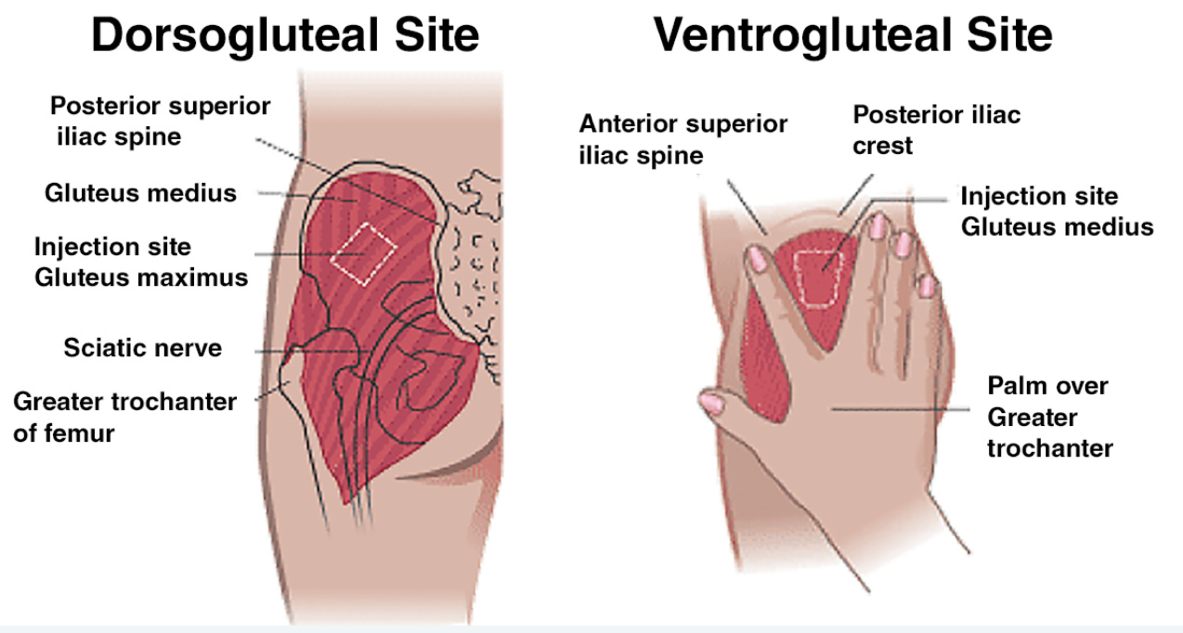
The dorsogluteal site
The dorsogluteal (buttock) site is not routinely used due to its location near major blood vessels and nerves, as well as having an inconsistent depth of adipose tissue. Many injections in this site do not penetrate deep enough under the skin to be correctly administered in the muscle.
Since the dorsogluteal site is in close proximity to the sciatic nerve, significant injury, pain, and temporary or permanent paralysis can occur if medication damages the sciatic nerve. Damage can occur if the injection site is not mapped correctly.
IM injection into the Gluteus medius site (buttock)
- Find the trochanter. It is the knobbly top portion of the long bone in the upper leg (femur). It is the size of a golf ball.
- Find the posterior iliac crest. Many people have ‘dimples’ over this bone.
- Draw an imaginary line between the two bones
- After locating the centre of the imaginary line, find a point one inch toward the head. This is where (X) to insert the needle.
- Stretch the skin-tight
- Hold the syringe like a pencil or dart. Insert the needle at a right angle to the skin
- Up to 3ml of fluid can be given in this site.
The ventrogluteal site
Giving an IM injection into the ventrogluteal site
The Ventrogluteal site provides the greatest thickness of gluteal muscle (consisting of both the gluteus medius and gluteus minimus), is free of penetrating nerves and blood vessels, and has a narrower layer of fat of consistent thinness than is present in the dorsogluteal.
Giving an IM injection into the ventrogluteal site
- Find the trochanter. It is the knobbly top portion of the long bone in the upper leg (femur). It is about the size of a golf ball.
- Find the anterior iliac crest
- Place the palm of your hand over the trochanter. Point the first or index finger toward the anterior iliac crest. Spread the second or middle finger toward the back, making a ‘V’. The thumb should always be pointed toward the front of the leg. Always use the index finger and middle finger to make the ‘V.’
- Give the injection between the knuckles on your index and middle fingers.
- Stretch the skin-tight
- Hold the syringe like a pencil or dart. Insert the needle at a right angle to the skin (90°)
- Up to 3ml of fluid may be given in this site.
The deltoid site
The ease of access, especially in an outpatient setting, possibly adds to the frequency with which the deltoid site is used for IM injections. This site is used for immunisations/non-irritating medications; hence vaccines that are usually small in volume tend to be administered into the deltoid site. This is a relatively small area and muscle mass, especially in atrophied clients compounded by the close proximity of the radial nerve, brachial artery and bony processes to this site, means that more substantial injuries can occur.
- Find the knobbly top of the arm (acromion process)
- The top border of an inverted triangle is two finger widths down from the acromion process
- Stretch the skin and then bunch up the muscle
- Insert the needle at a right angle to the skin in the centre of the inverted triangle
Caution: This is a small site – give only 1-2ml or less of fluid in this site
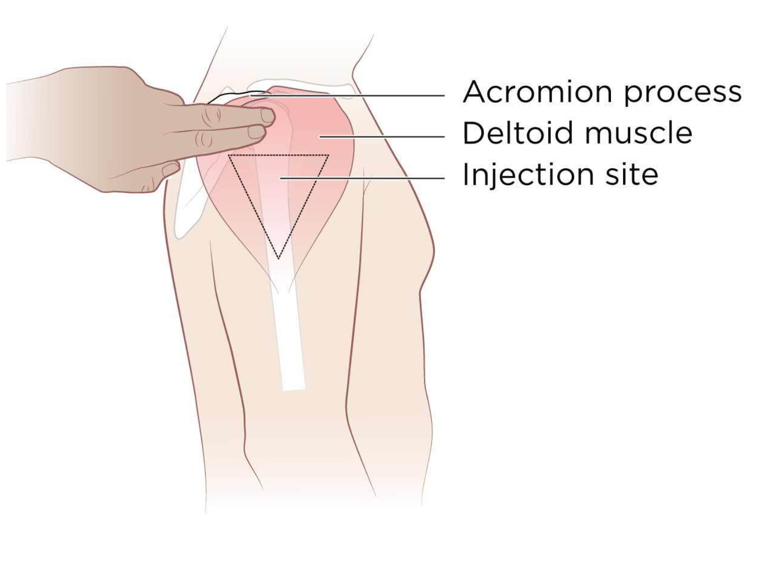
- Prepare everything, ensure you have your syringe, drawing needle, injection needles and vitamin vile ready, along with your sharps bin.
- Open your syringe and drawing needle, keeping the packaging on where possible in order to not contaminate the needle.
- We recommend using a 21g Gauge drawing.
- Attach the drawing needle onto the syringe, leaving the protection cap on the needle.
- Open your vitamin ampoule. Break the top off the ampoule from the dot and dispose of the top.
- Take the top protection cap off the drawing needle and draw up from the ampoule the correct dose as recommended or suggested by your prescriber.
- Dispose of the single-use ampule, do not use any further product from it.
- Open the packing for your injection needle; we recommend the 23 Gauge needle.
- Take your syringe and untwist the drawing needle with the cap off, and put it in your sharps bin.
- Put your injection needle with packaging left on onto the syringe; once secured, remove the packaging and push up all the air out of the syringe until you hit your dosage marker on the syringe.
- Clean the injection area using an alcohol wipe once you have located it.
- Dart the needle into the muscle and push in relatively quickly.
- Press and wipe the area with an alcohol wipe and dispose of your injection needle into the sharps bin.
Accreditation Registers – Save Face and JCCP
Businesses offering cosmetic procedures are subject to a wide range of laws and duties. These primarily relate to public health, occupational health and safety, environmental protection, and in some parts of the UK to public control licensing. Most of this law is administered by local authorities, often through their environmental health departments.
It was suggested in the Keogh review that restrictions should be applied to the types of premises used to deliver treatments where clinical oversight was requested, for example, clinics equipped to deal with medical emergencies. It has been left up to the individual providing clinical oversight to ensure the provision of an appropriate and safe environment. Hygiene measures, sharps disposal, in-date products and safety equipment are a must for all situations regardless of venue choice and will be taught during the practical training days.
Save Face
Save Face Ltd is an independent and impartial accreditation scheme for aesthetic medical professionals and clinics. They offer an optional registration service to regulated health professionals only and audit practitioners against seven core standards. Each practitioner must supply:
- Evidence of registration and qualification with the relevant statutory board.
- Evidence of insurance and training for each procedure offered
- Evidence of mandatory training
- Evidence of registration with The Information Commissioners Office
- Samples of patient information
- Consent forms
- Evidence of legitimate supply of medicines
Each clinic premise is inspected by auditors who ensure standards are met with regards to infection control, consent and confidentiality, management and reporting of adverse events, appropriate sharps disposal, record keeping, managing complaints and quality of equipment.
A breach of standards can result in investigation, suspension, or exclusion from the Save Face Ltd register. As this register gains momentum and reputation, clients/patients will increasingly look for such quality standard verification.
Joint Council for Cosmetic Practitioners (JCCP)
The JCCP has been established to assist members of the public who are seeking/considering or undergoing non-surgical and hair restoration treatments (Injections, Fillers, Lasers, Peels and Hair Restoration) with advice on patient safety matters and how to gain access to registers of approved practitioners
The JCCP Practitioner Register has been established to enable practitioners delivering the aesthetic treatments set out in the CPSA Framework of Standards and Competences to be accredited.
- In order to be accredited applicants will need to demonstrate evidence of competence and proficiency.
- The JCCP recognizes that different practitioners will have varying levels of experience, qualifications, and status.
- The public will be able to access the JCCP Practitioner Register and see at what level and which areas of treatment a practitioner has been accredited by the JCCP.
The JCCP Practitioner Register is voluntary and remains subject to consideration for approval by the Professional Standards Authority (PSA) who oversee public registers in the health care sector.
Book your consultation
Clinic Appointments
Solihull, West Midlands.
Private Mobile Treatments
Available across the Midlands for home, office, or hotel visits.
Coming Soon
Wider UK coverage as Vital Glow expands.